

AKG
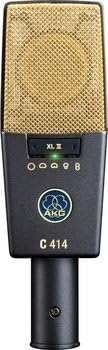
AKG C414XLII Multi-Pattern Classic Vocal Condenser Microphone
Condenser
Nine polar patterns, studio-grade large-diaphragm transparency — the AKG C414XLII is the microphone that belongs on every serious tracking session.
$1,299.00*
View on Amazon
✓ In Stock on Amazon.com
*Price sourced from Amazon.com. Last updated:Oct 21, 2026.Price and availability are subject to change — details.
Affiliate Disclosure: As an Amazon Associate, Studio Supplies earns from qualifying purchases made through links on this page, at no additional cost to you. This helps support our editorial team.
Notice a mistake? Let Us Know
Overview
Key Features
Multi-Patt Classic Vocal Mic
Discover the Power of a Reinvented Classic Condenser! Mic Condenser Lg Diaphragm s:akg-promo-q4s:mic
Large-diaphragm Condenser Microphone with Nine Switchable Polar Patterns
Specifications
Microphone Type
Large-diaphragm Condenser
Polar Patterns
Nine Switchable
Intended Use
Classic Vocal Recording
Frequently Asked Questions
What are the nine polar patterns and when would a recording engineer actually switch between them?
The C414XLII offers omnidirectional, wide cardioid, cardioid, hypercardioid, figure-eight, and four intermediate pattern settings. Cardioid is the workhorse for lead vocals and close-miked instruments. Figure-eight opens up for M-S stereo or room pair applications. Omni captures natural room ambience and breathes life into acoustic guitar or piano in a treated space. The intermediate settings let you tune rejection characteristics to the specific acoustics of your room — a flexibility that fixed-pattern mics simply can't offer.
How much phantom power does the C414XLII require, and will it work with budget interfaces?
The C414XLII requires standard 48V phantom power. Virtually every audio interface with XLR inputs provides this — budget units included. Phantom power quality does matter at this level: an interface with clean, stable 48V rail will let the mic operate at its full dynamic potential. Noisy phantom power from bargain interfaces can elevate the noise floor slightly.
How does the XLII's sound signature differ from the XLST, and which is better for vocals?
The XLII is voiced with a presence peak that adds air and detail — it emphasizes the upper-mid brightness that makes vocals and acoustic instruments cut through a mix without heavy EQ. The XLST is flatter and more neutral, preferred for scientific accuracy in broadcast or measurement contexts. For tracking vocals, the XLII's added presence is generally preferred.
What's the self-noise specification, and does it matter for recording quiet acoustic sources?
AKG specifies the C414XLII's self-noise at 6 dB(A) — extremely low, putting it among the quietest large-diaphragm condensers available. Recording a classical guitar, whispered vocals, or room ambience, you'll hear the instrument, not the mic. This headroom is where the C414XLII earns its professional reputation.
Is there a pad switch for handling loud sources like close-miked drum overheads or guitar amps?
Yes — the C414XLII includes switchable pads (typically -6dB, -12dB, and -18dB) and high-pass filter settings, making it capable of handling extremely loud sources like kick drum overheads or close-miked guitar cabinets without capsule overload. These switches are mounted directly on the body for quick in-session adjustments.
Related Products


