

Allen & Heath
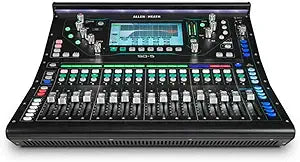
Allen & Heath SQ-5 48 Channel Digital Mixer
Elevate Your Sound with the Allen & Heath SQ-5 Digital Mixer The Allen & Heath SQ-5 is a powerful and versatile digital mixer designed for live sound, studio recording, and installation applications. With 48 channels, a 96kHz FPGA processing engine, and a host of professional features, t...
$3,999.00*
View on Amazon
✓ In Stock on Amazon.com
*Price sourced from Amazon.com. Last updated:Aug 28, 2026.Price and availability are subject to change — details.
Affiliate Disclosure: As an Amazon Associate, Studio Supplies earns from qualifying purchases made through links on this page, at no additional cost to you. This helps support our editorial team.
Notice a mistake? Let Us Know
Overview
Elevate Your Sound with the Allen & Heath SQ-5 Digital Mixer
The Allen & Heath SQ-5 is a powerful and versatile digital mixer designed for live sound, studio recording, and installation applications. With 48 channels, a 96kHz FPGA processing engine, and a host of professional features, the SQ-5 delivers exceptional audio quality and flexible control for any mixing scenario.
Key Features
- High Channel Count: 48 channels for handling complex mixing setups.
- 96kHz FPGA Processing: Delivers pristine audio quality and low latency.
- Capacitive Touchscreen: Intuitive and responsive control over all mixer functions.
Technical Specifications
- Channels: 48
- Buses: 36
- Microphone Preamps: 16
- Processing: 96 kHz FPGA
- FX Engines: 8 Stereo with Returns
- Audio Interface: 32 x 32 USB
- Outputs: AES
- Mixes: 12 Stereo + LR
- Display: 7 Capacitive Touchscreen
- Assignable Softkeys: 8
- Expansion Port: Slink Port
Specifications
Type
Digital Mixer
Channels
48
Frequently Asked Questions
How many input channels does the Allen & Heath SQ-5 mixer support?
The Allen & Heath SQ-5 is a 48-channel digital mixer, providing extensive input capabilities for various audio sources.
Is this an analog or a digital mixing console?
The Allen & Heath SQ-5 is explicitly stated to be a digital mixer, offering modern audio processing and routing features.
Can this mixer be integrated into a large-scale live sound setup?
With 48 channels, the SQ-5 is well-equipped for managing complex audio requirements, making it suitable for significant live sound applications.
What are the key advantages of a 48-channel digital mixer like the SQ-5?
A 48-channel digital mixer offers significant flexibility in signal routing, advanced processing capabilities, and the ability to save and recall different scene configurations for various performances.
Related Products


