

Avid
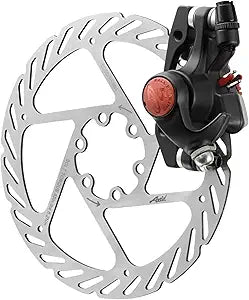
Avid 142088 BB5 MTB Disc Brakes 160mm
Cable-actuated mechanical disc brake with 160mm rotor and tri-align positioning for dependable mountain bike stopping power.
$53.00*$62.50Save 15%
View on Amazon
✓ In Stock on Amazon.com
*Price sourced from Amazon.com. Last updated:Aug 28, 2026.Price and availability are subject to change — details.
Affiliate Disclosure: As an Amazon Associate, Studio Supplies earns from qualifying purchases made through links on this page, at no additional cost to you. This helps support our editorial team.
Notice a mistake? Let Us Know
Overview
Key Features
Caliper has 74mm mounting bolt spacing; IS 51mm mounting adaptor is included
Includes a 160mm G2 Clean Sweep rotor with innovative 6-bolt/44mm BCD design for optimal heat dissipation and consistent braking in all conditions.
Features Tri-Align Caliper Positioning System (CPS) for precise rotor alignment, ensuring smooth, drag-free performance and reduced maintenance time.
Designed for long cable-pull levers with a mono-blok caliper and ball bearing cam mechanism for effortless modulation and enhanced durability in mountain biking applications.
Versatile front or rear mount setup with included adapters and adjustable spring tension, making it compatible with most mountain bike frames for quick installation and maintenance.
Specifications
Brand
Avid
Model
142088 (BB5)
Brake Type
Cable-Actuated Mechanical Disc
Caliper Design
Mono-block with ball bearing cam
Caliper Mount
Post Mount (74mm bolt spacing)
Adaptor Included
IS 51mm mounting adaptor
Rotor Size
160mm
Rotor Type
G2 Clean Sweep, 6-bolt / 44mm BCD
Lever Actuation
Long Pull
Pad Type
Steel-backed organic
Pad Adjustment
Outboard knob + adjustable spring tension
Color
Black
Weight
335g
Frequently Asked Questions
Is the Avid BB5 a hydraulic or cable-actuated disc brake?
The BB5 is a cable-actuated (mechanical) disc brake, meaning it uses a standard brake cable rather than hydraulic fluid to engage the caliper.
Can the Avid BB5 be mounted on both front and rear wheels?
Yes, the BB5 is designed for versatile front or rear mounting and includes adapters to fit most mountain bike frames.
How do you adjust pad alignment on the BB5 caliper?
The BB5 features outboard pad adjustment via a knob on the caliper exterior, and the Tri-Align Caliper Positioning System (CPS) allows you to precisely align the caliper to the rotor without specialized tools.
What type of brake lever does the Avid BB5 require?
It is designed for long cable-pull brake levers, which are standard on most mountain bikes with flat handlebars.
Does the BB5 come with a rotor included?
Yes, it includes a 160mm G2 Clean Sweep rotor with a 6-bolt mounting pattern.
Related Products


