

Avid
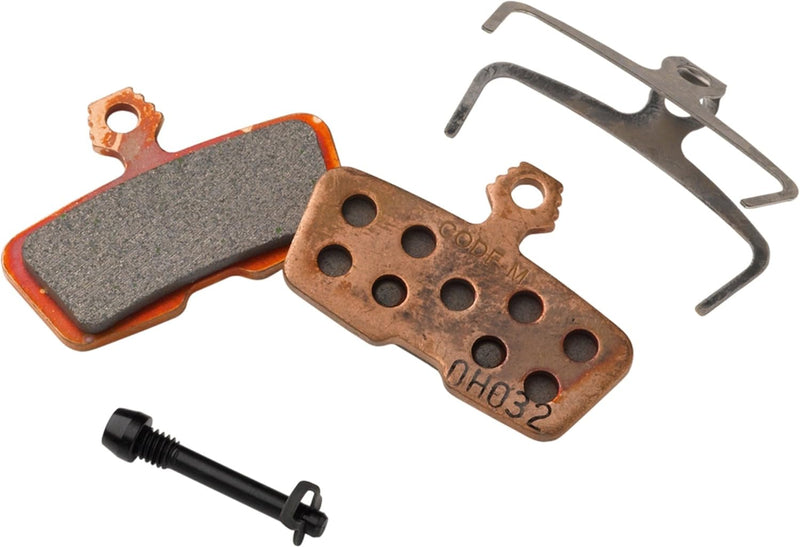
Avid Metal Sintered SRAM Disc Brake Pads - Code Guide RE
When the descent gets loose and wet, sintered steel backing keeps your Code and Guide brakes biting hard lap after lap.
$26.60*$28.13Save 5%
View on Amazon
✓ In Stock on Amazon.com
*Price sourced from Amazon.com. Last updated:Aug 28, 2026.Price and availability are subject to change — details.
Affiliate Disclosure: As an Amazon Associate, Studio Supplies earns from qualifying purchases made through links on this page, at no additional cost to you. This helps support our editorial team.
Notice a mistake? Let Us Know
Overview
Key Features
Steel backed sintered pad offers powerful braking
Constructed with durable steel backing plates for enhanced heat dissipation and long-lasting durability during intense braking sessions.
Designed for versatile compatibility with SRAM Code, Code R, Code RSC, and Guide RE disc brake systems, offering reliable and consistent braking performance.
Ideal for aggressive trail riding, downhill, and all-mountain cycling where powerful and dependable braking is essential.
Sold in bulk quantities suited for service centers, these pads provide cost-effective maintenance solutions with included calibration hardware for quick installation and reliable retraction.
Specifications
Compound
Sintered Metal
Backing Plate Material
Steel
Heat Sink
No
Pad Shape Number
36
Compatibility
SRAM Code (A2), Code R (A2), Code R (B1), Code RSC (A1), Guide RE (A1)
Hardware Included
Yes (calibration hardware)
Frequently Asked Questions
Are these pads suitable for wet and muddy trail conditions?
Sintered compound is the right choice for wet and muddy riding — the metal-bonded compound maintains friction even when saturated, unlike organic pads that go soft. These are the pads to reach for when you know conditions will be unpredictable or persistently damp.
Which specific brake models are these compatible with?
These pads are confirmed compatible with SRAM Code (A2), Code R (A2), Code R (B1), Code RSC (A1), and Guide RE (A1). Pad shape number 36 is the identifier — double-check your brake model revision before ordering, as SRAM has multiple generations with different pad shapes.
How do sintered pads affect brake feel compared to organic pads?
Sintered pads run firmer and require a slightly longer bed-in period than organics. Once seated, they deliver a more progressive, consistent feel with better modulation under repeated heavy braking — which matters on long descents where organic pads can fade from heat buildup.
Will the steel backing plate affect heat dissipation?
Steel backing plates conduct heat away from the pad compound during sustained braking. These pads do not include an additional heat sink fin, so on extended alpine descents, managing braking intervals is still good practice to prevent rotor heat from transferring into the fluid.
What hardware is included with these pads?
Each kit includes calibration hardware for installation and proper caliper retraction. This makes them practical for shop environments or home mechanics doing a full pad swap without needing to source hardware separately.
Related Products


