

Behringer
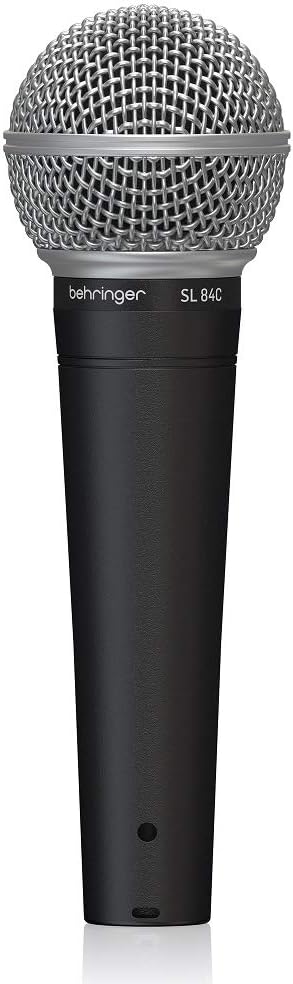
Behringer 000-E7R00-00010 SL 84C Dynamic Cardioid Microphone
XLR
Behringer SL 84C dynamic cardioid microphone delivers clear vocals with high output at a budget-friendly price.
$14.90*
Check availability
*Price sourced from Amazon.com. Last updated:Aug 28, 2026.Price and availability are subject to change — details.
Affiliate Disclosure: As an Amazon Associate, Studio Supplies earns from qualifying purchases made through links on this page, at no additional cost to you. This helps support our editorial team.
Notice a mistake? Let Us Know
Overview
Key Features
Dynamic vocal microphone with smooth mid-frequency presence
Ultra-wide frequency response for brilliant and transparent sound
Extremely high signal output lets your voice cut through
Integrated spherical wind and pop noise filter
three- pin XLR connector for highest signal integrity
Specifications
Brand
Behringer
Model
SL 84C
Type
Dynamic
Polar Pattern
Cardioid
Frequency Response
50 Hz – 15 kHz
Connector
3-Pin XLR
Impedance
300 Ohms
Weight
7 Ounces
Dimensions
6.42 x 1.97 x 6.42 Inches
Frequently Asked Questions
What type of microphone is the Behringer SL 84C?
It is a dynamic cardioid microphone designed primarily for vocals, though it also handles instrument miking. The cardioid pickup pattern focuses on sound from the front while rejecting noise from the sides and rear.
Does the SL 84C require phantom power?
No. As a dynamic microphone, the SL 84C does not need phantom power. It connects via a standard 3-pin XLR cable and works with any mixer, audio interface, or PA system with an XLR input.
How does the integrated wind and pop filter perform?
The built-in spherical mesh filter reduces plosive sounds (hard P and B sounds) and wind noise during use, which helps in live settings where an external pop filter may not be practical.
What is the frequency response range of the SL 84C?
The microphone covers 50 Hz to 15 kHz, which captures the full vocal range with a presence emphasis in the midrange for improved intelligibility.
Is this microphone suitable for recording or only live use?
It works for both. The high signal output and cardioid rejection make it effective on stage, while the same traits translate well to home studio vocal and spoken-word recording.
Related Products


