



Canon
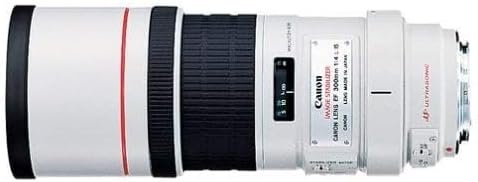
Canon 2530A011 EF 300mm f/4L IS USM Renewed Telephoto Lens
A professional-grade 300mm telephoto lens with image stabilization for sharp handheld wildlife and sports shots.
View price on Amazon
Affiliate Disclosure: As an Amazon Associate, Studio Supplies earns from qualifying purchases made through links on this page, at no additional cost to you. This helps support our editorial team.
Notice a mistake? Let Us Know
Overview
Key Features
Focal Length & Maximum Aperture:300mm 1:4.0
Super multi-layer lens coating reduces flare and ghosting
Compact L-series telephoto lens with an Image Stabilizer which compensates for camera shake with the equivalent effect of a shutter speed two stops faster
Two Image Stabilizer modes are provided: Stabilizer Mode 1 and the new Stabilizer Mode 2 which steadies the image during horizontal or vertical panning
Mode 2 detects the panning direction automatically. The closest focusing distance is 4.9 feet 1.5 m
Specifications
Focal Length
300mm
Maximum Aperture
f/4.0
Lens Mount
Canon EF
Image Stabilization
Yes — 2-stop compensation, 2 modes (general + panning)
Autofocus Motor
USM (Ultrasonic Motor) with full-time manual override
Minimum Focus Distance
4.9 ft (1.5 m)
Series
Canon L-Series
Compatibility
Canon EOS EF-mount SLR cameras
Condition
Renewed (Amazon Renewed Guarantee)
Brand
Canon
Model
2530A011
Frequently Asked Questions
What camera bodies is this lens compatible with?
This renewed Canon EF 300mm f/4L IS USM is compatible with all Canon EOS DSLR cameras that use the EF mount. It can also be used on Canon EOS R mirrorless cameras with the Canon EF-EOS R mount adapter.
What are the two image stabilization modes for?
Mode 1 is for general shooting and compensates for shake in all directions. Mode 2 is designed for panning, where it stabilizes only the axis perpendicular to the panning direction, making it ideal for tracking moving subjects horizontally or vertically.
How close can this lens focus?
The minimum focusing distance is 4.9 feet (1.5 meters), which limits how close you can get to your subject while maintaining focus.
What does the "L" designation mean in this lens name?
The "L" stands for Canon's Luxury series, indicating professional-grade build quality with weather-resistant construction, superior optical elements, and the signature red ring on the lens barrel.
What warranty or guarantee does this renewed lens include?
As a renewed product, it is covered by the Amazon Renewed Guarantee, which provides eligibility for replacement or refund if the product does not meet expectations.
Related Products


