



Canon
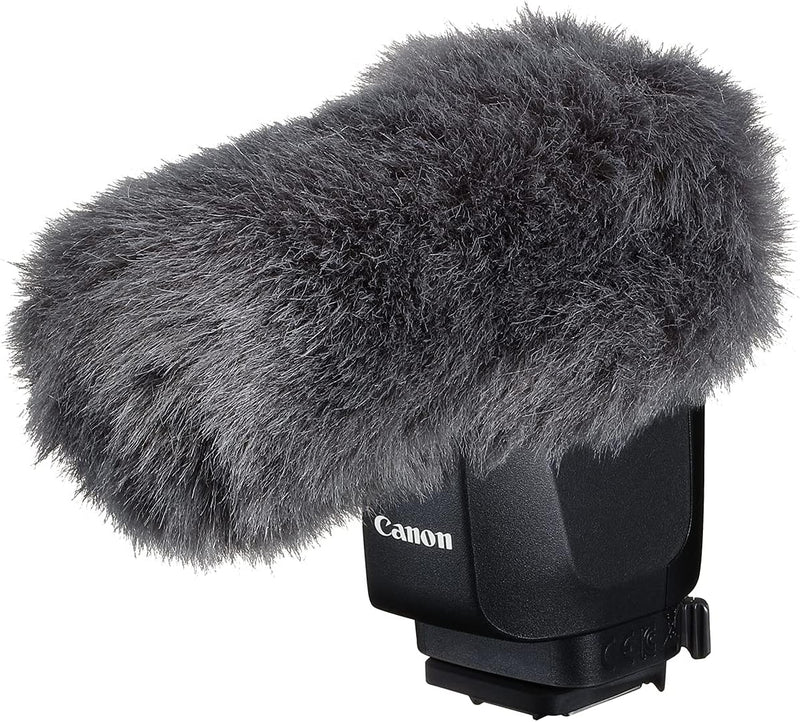
Canon 5138C001 Stereo Microphone DM-E1D
A compact digital shotgun/stereo mic that plugs directly into your EOS multi-function shoe — clean signal, zero cable clutter, built for run-and-gun and controlled studio capture alike.
$239.99*
View on Amazon
✓ In Stock on Amazon.com
*Price sourced from Amazon.com. Last updated:Oct 21, 2026.Price and availability are subject to change — details.
Affiliate Disclosure: As an Amazon Associate, Studio Supplies earns from qualifying purchases made through links on this page, at no additional cost to you. This helps support our editorial team.
Notice a mistake? Let Us Know
Overview
Key Features
Compact microphone accessory for compatible EOS cameras that include the multi-function shoe
Specifications
Model
DM-E1D (5138C001)
Connection Type
Digital via multi-function shoe
Directional Modes
Shotgun, Stereo 90°, Stereo 120°
Compatibility
Canon EOS cameras with multi-function shoe
Power Source
Powered via multi-function shoe (no batteries required)
Brand
Canon
Frequently Asked Questions
Does the DM-E1D require phantom power from the camera?
No. The digital connection via the multi-function shoe carries both power and signal data, eliminating the need for batteries or phantom power entirely — a clean gain-staging advantage over analog shoe mics.
How do the three directional modes affect what I'm actually hearing in the recording?
Shotgun mode tightens the polar pattern for on-axis subject isolation — useful when ambient noise threatens your noise floor. The 90° stereo setting gives a narrower, more centered image suited for interviews or controlled environments. The 120° setting opens the stereo field for natural-sounding room capture, music performance, or documentary work where spatial context matters.
Will the DM-E1D work with any Canon DSLR or mirrorless body?
Only EOS cameras equipped with the multi-function shoe are compatible. The digital interface is proprietary to that shoe system, so bodies with a standard cold shoe or older hot shoe will not carry the signal — confirm your body's shoe type before purchasing.
How does the digital connection affect audio quality compared to a standard 3.5mm analog connection?
Bypassing the analog signal path means you avoid interference pickup through the cable run and skip the camera's preamp entirely for the input stage. The result is a cleaner noise floor than most analog camera-mount mics, with the signal converted closer to the capsule.
Can I monitor the DM-E1D's output through headphones while recording?
Monitoring depends on your EOS body's headphone output capability, not the microphone itself. The DM-E1D passes audio digitally to the camera; any in-camera monitoring or metering is managed by your body's firmware and audio settings.
Related Products


