

Clear-Com
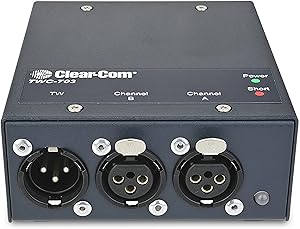
Clear-Com TWC-703 2-Channel Intercom Interface
Seamless Intercom Integration with Clear-Com TWC-703 The Clear-Com TWC-703 interface provides a simple and effective solution for integrating two Clear-Com Partyline channels with a single dual-channel TW Partyline system. This interface ensures seamless communication between different intercom s...
$800.00*
View on Amazon
✓ In Stock on Amazon.com
*Price sourced from Amazon.com. Last updated:Jul 13, 2026.Price and availability are subject to change.
Affiliate Disclosure: Studio Supplies may earn a commission from qualifying purchases made through links on this page, at no additional cost to you. This helps support our editorial team.
Notice a mistake? Let Us Know
Overview
Seamless Intercom Integration with Clear-Com TWC-703
The Clear-Com TWC-703 interface provides a simple and effective solution for integrating two Clear-Com Partyline channels with a single dual-channel TW Partyline system. This interface ensures seamless communication between different intercom systems, making it an essential tool for broadcast studios, live events, and production environments.
Specifications:
- Function: Converts 2 Clear-Com Partyline channels to 1 dual Channel TW Partyline
Specifications
Channels
2-Channel
Function
Intercom Interface
Pros & Cons
👍 Pros
- Provides two distinct channels for intercom communication, enabling clear and organized discussions.
- Designed for interface with existing intercom systems, offering expandability and integration capabilities.
- Developed by Clear-Com, a brand recognized for its expertise in professional intercom solutions.
- The dedicated functionality ensures reliable performance for its specific role in audio communication setups.
- Compact design likely allows for flexible placement within an audio rack or equipment setup.
👎 Cons
- Specific technical details about connectivity ports (e.g., XLR, RJ45) are not provided, requiring further investigation.
- Information regarding power requirements or included power adapters is absent, which is critical for setup planning.
- The description does not specify compatibility with particular intercom system types (e.g., analog, digital, party-line).
- Advanced features like signal processing, noise cancellation, or talk/listen modes are not mentioned.
- The interface's intended operational environment (e.g., studio, live event, broadcast) is not detailed.
Frequently Asked Questions
How many channels does the Clear-Com TWC-703 Intercom Interface support?
The Clear-Com TWC-703 is a 2-Channel Intercom Interface, designed for managing two distinct lines of communication.
What is the primary function of the Clear-Com TWC-703?
Its primary function is to serve as an intercom interface, connecting and managing communication lines within a professional audio setup.
Is this interface designed for specific types of intercom systems?
The product is described as a 2-Channel Intercom Interface, implying it works with standard intercom systems, but specific compatibility details are not provided.
What are the physical dimensions or form factor of the TWC-703?
Physical dimensions are not specified, but typically, Clear-Com interfaces are designed for rack mounting or desktop use in professional environments.
Does the TWC-703 require external power, or is it bus-powered?
Information regarding the power requirements for the Clear-Com TWC-703 is not specified in the available details.
Are there any advanced audio processing features built into this interface?
The provided details do not mention advanced audio processing features such as noise cancellation or equalization for the TWC-703.
Related Products


