



Cokin
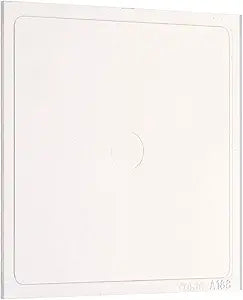
Cokin WA1T188 A188 Filter A Softspot
A lightweight resin soft-spot filter that adds dreamy diffusion around a sharp centre for creative portrait effects.
View price on Amazon
Affiliate Disclosure: As an Amazon Associate, Studio Supplies earns from qualifying purchases made through links on this page, at no additional cost to you. This helps support our editorial team.
Notice a mistake? Let Us Know
Overview
Key Features
Cokin Creative Filter Series
Soft filter ideal for portraits with soft portraits
Soft spot around the center for a soft effect
Made of ultra-light, shatter-resistant optical resin
Filter holder (sold separately) and adapter ring (sold separately) are required for use. Size: S (A Series).Dimensions: 67 72mm
Specifications
Brand
Cokin
Model
WA1T188
Filter Type
Softspot (Soft Focus)
Filter Series
A (S-Size)
Effect
Mildly diffused centre with stronger surrounding diffusion
Material
Ultra-light, shatter-resistant optical resin
Dimensions
67 x 72mm
Frequently Asked Questions
How does the soft-spot effect differ from a standard soft-focus filter?
A standard soft-focus filter applies diffusion uniformly across the entire frame. The Cokin A188 Softspot keeps the centre of the image relatively sharp while progressively increasing diffusion toward the edges, drawing the viewer's eye to the subject in the middle.
What additional accessories do I need to use this filter?
You need a Cokin A-series filter holder and a compatible adapter ring sized to your lens's filter thread. Both are sold separately.
What material is this filter made from?
It is made from Cokin's optical resin, which is ultra-light and shatter-resistant — significantly lighter and more durable than glass equivalents.
Can I combine this filter with other Cokin A-series filters?
Yes. The Cokin A-series filter holder can accommodate multiple square filters simultaneously, so you can stack the Softspot with colour, graduated, or other creative effect filters.
Is the centre spot fixed in size or adjustable?
The soft spot is fixed on the filter itself, but you can shift its apparent position by sliding the filter within the holder. Changing focal length also affects how the transition zone appears in the final image.
Related Products


