

David Clark
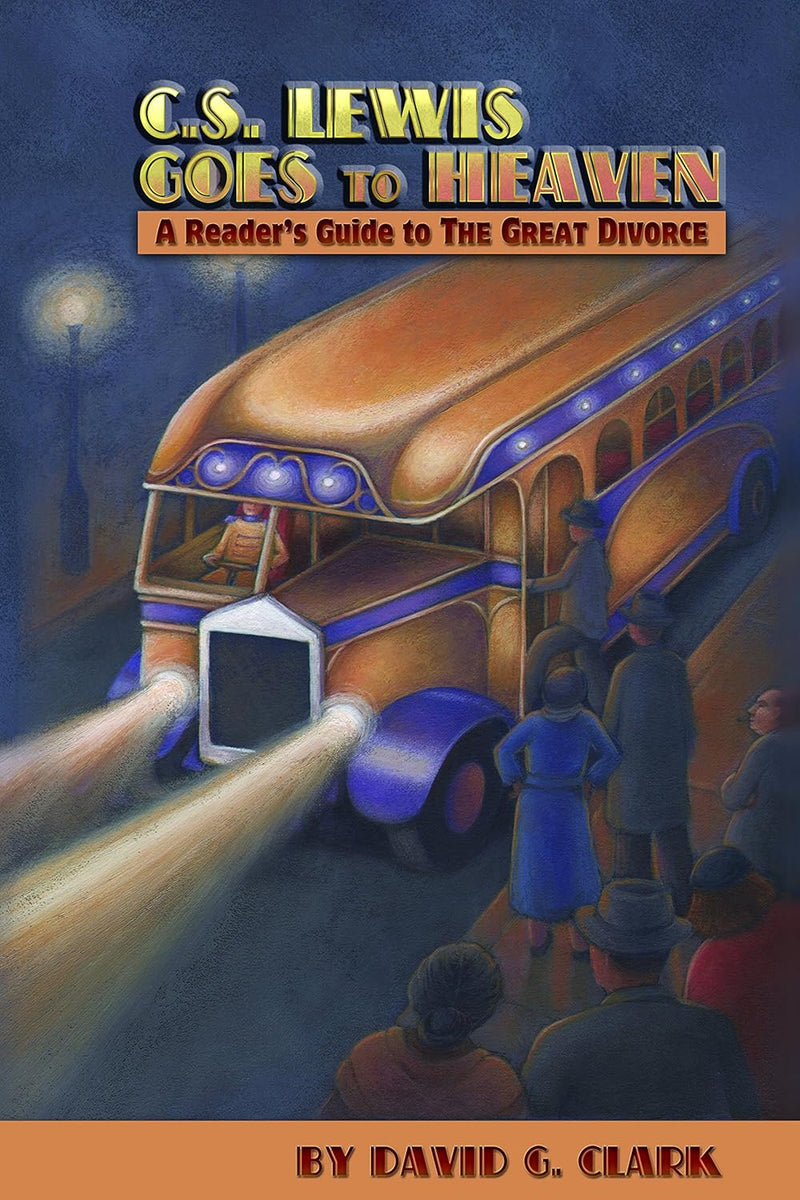
David Clark C. S. Lewis Heaven Reader's Guide
★★★★★
A thorough reader's companion that unlocks the layered theology, allegory, and characters in C.S. Lewis' The Great Divorce.
View price on Amazon
Affiliate Disclosure: Studio Supplies may earn a commission from qualifying purchases made through links on this page, at no additional cost to you. This helps support our editorial team.
Notice a mistake? Let Us Know
Overview
Explore the Depths of C.S. Lewis' Vision of Heaven and Hell
Introducing "C.S. Lewis Goes to Heaven: A Reader's Guide to The Great Divorce," a comprehensive exploration of Lewis' novel. This guide uncovers hidden meanings, reveals fascinating character insights, and provides theological context to enhance your understanding of this profound and entertaining story.
- Author: David Clark
- Publisher: Winged Lion Press
- Publication Date: April 14, 2015
- Language: English
- Print Length: 235 pages
Pros & Cons
👍 Pros
- Provides detailed character analysis and theological context that enriches a reading of The Great Divorce
- At 235 pages, offers substantial depth rather than a surface-level summary
- Helps readers identify hidden meanings and allegorical layers they may have missed
- Serves as a useful resource for book clubs, study groups, or academic discussion
👎 Cons
- Only useful if you are reading or have read The Great Divorce — not a standalone work
- May present interpretive perspectives that not all readers or theologians agree with
- Available primarily as a digital edition, which may not suit readers who prefer physical reference books
- Niche subject matter limits its audience to dedicated C.S. Lewis readers
Frequently Asked Questions
Do I need to have read The Great Divorce before using this guide?
It is best to read alongside or after The Great Divorce, as the guide analyzes the novel's characters, themes, and theological arguments in detail and contains spoilers throughout.
Who is the author of this reader's guide?
The guide is written by David Clark and published by Winged Lion Press.
How long is this reader's guide?
The book is 235 pages in print length, providing substantial commentary and analysis.
Does this guide cover other C.S. Lewis works or only The Great Divorce?
This guide focuses specifically on The Great Divorce, examining its characters, hidden meanings, and theological context in depth.
Related Products


