



Decksaver
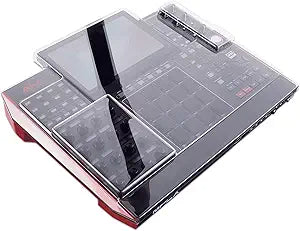
Decksaver DS-PC-MPCX Akai MPC-X Keyboard Cover
Bulletproof-grade polycarbonate keeps your Akai MPC-X pristine between sessions — dust, spills, and studio chaos can't touch it.
$59.99*$69.86Save 14%
Check availability
*Price sourced from Amazon.com. Last updated:Oct 21, 2026.Price and availability are subject to change — details.
Affiliate Disclosure: As an Amazon Associate, Studio Supplies earns from qualifying purchases made through links on this page, at no additional cost to you. This helps support our editorial team.
Notice a mistake? Let Us Know
Overview
Key Features
Design to fit the Akai MPC x
Strong, attractive protection for your console
Made of polycarbonate, a plastic used in bullet proof glass
Covers while cables remain connected
Made in the U.K
Specifications
Compatibility
Akai MPC-X
Material
Polycarbonate
Cable Accommodation
Yes — covers while cables remain connected
Country of Manufacture
United Kingdom
Frequently Asked Questions
Will the Decksaver cover fit over my MPC-X with USB and audio cables still plugged in?
Yes — the DS-PC-MPCX is specifically engineered to sit over the MPC-X with rear cables connected. You don't need to unplug your interface, USB hub, or power cable between sessions, which removes one of the most tedious parts of packing down a studio at the end of a late night.
How durable is polycarbonate compared to acrylic covers sold by other brands?
Polycarbonate is meaningfully tougher than acrylic — it's the same material category used in safety visors and bulletproof glazing, and it flexes under impact rather than shattering. Acrylic is harder on the surface but cracks cleanly under a knock; polycarbonate absorbs the blow. For a production piece that lives on a studio desk, gets bumped by hard drives and coffee mugs, and travels in a bag, polycarbonate is the more appropriate choice.
Does the cover add significant height — will it still fit in a gig bag or case designed for the MPC-X?
The Decksaver adds a thin shell profile over the MPC-X surface. Most dedicated MPC-X bags and cases with lid clearance will accommodate the cover in place. If your case is a tight fit against the top panel of the unit, remove the cover before packing — it's designed for bench and transit protection, not nested inside form-fit foam cutouts.
Does the cover protect the MPC-X's touchscreen and pads from dust accumulation?
That's the primary use case. The DS-PC-MPCX shields the touchscreen display, drum pads, and Q-Link encoders from dust, which is particularly valuable in shared studio spaces or home studios where the MPC-X sits idle for days between sessions. Keeping dust off the pads maintains their velocity sensitivity over time.
Is this cover made specifically for the MPC-X, or will it fit the MPC Live or MPC One?
The DS-PC-MPCX is precision-fit for the Akai MPC-X specifically. Decksaver makes separate covers for the MPC Live and MPC One — the dimensions are not interchangeable. Confirm the model number before ordering.
Related Products


