



Fujifilm
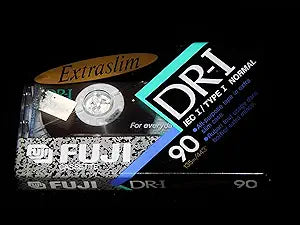
Fujifilm FBA_DR-I SL C90 Audio Cassette Tape
★★★★★
Ninety minutes of reliable blank tape from Fujifilm — the standard choice for mixtapes, field recordings, and analog audio projects.
$7.99*
View on Amazon
✓ In Stock on Amazon.com
*Price sourced from Amazon.com. Last updated:Jul 14, 2026.Price and availability are subject to change.
Affiliate Disclosure: Studio Supplies may earn a commission from qualifying purchases made through links on this page, at no additional cost to you. This helps support our editorial team.
Notice a mistake? Let Us Know
Overview
Key Features
90 minute blank cassette tape.
Specifications
Brand
Fujifilm
Model
FBA_DR-I SL C90 C U
Type
Audio Cassette Tape
Bias Type
Type I (Normal)
Recording Time
90 minutes (45 min per side)
Pros & Cons
👍 Pros
- 90-minute runtime provides a full 45 minutes per side — enough for a complete album, extended lecture capture, or a long live session without interruption
- Fujifilm DR-I oxide formulation delivers consistent bias response and reliable playback performance in well-maintained decks
- Blank format gives complete control over recorded content with no pre-existing material to work around or bulk-erase first
- Fujifilm's decades of cassette tape manufacturing history backs the consistency of the oxide coating
👎 Cons
- C90 tape is thinner than C60 or C46 tape, making it more vulnerable to transport damage in decks with worn pinch rollers or capstans
- Type I normal bias formulation has a narrower dynamic range ceiling than Type II chrome or Type IV metal tape
- Cassette tape format carries an inherently higher noise floor than digital recording media — not appropriate for high-fidelity archival applications
- Tape oxide degrades with heavy recording cycles, reducing reliability of recordings made on extensively reused tapes
Frequently Asked Questions
What tape formulation does the Fujifilm DR-I use, and what bias setting does my deck need?
The DR-I is a Type I (normal bias) formulation. Set your cassette deck to the Normal or Type I bias position. Do not engage the Type II (CrO₂) or Metal bias switch — doing so applies the wrong EQ curve and will noticeably degrade playback quality.
Can this tape be recorded over multiple times?
Yes. Blank cassette tape is designed for repeated record/erase/re-record cycles. Tape oxide quality does degrade gradually with heavy use — for archival or one-time important recordings, starting with a fresh tape is the better call.
Is a 90-minute tape more fragile than a C60 or C46?
Generally, yes. C90 tape uses a thinner oxide layer than shorter-length cassettes to accommodate 90 minutes on a standard-size shell. This makes it slightly more susceptible to stretching or breakage in decks with worn pinch rollers or capstans. A well-maintained deck largely eliminates this risk.
What decks will get the best results from this tape?
Any cassette deck with a Normal (Type I) bias setting is compatible. Decks with clean, properly aligned heads and a maintained transport mechanism will extract the best performance — worn transport components can cause audio dropout or uneven frequency response regardless of tape quality.
Related Products


