



Fujifilm
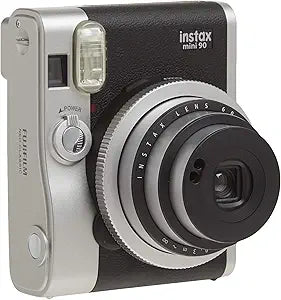
Fujifilm Instax Mini 90 Neo Classic Instant Camera (Renewed)
★★★★★
The Neo Classic's bulb mode and double exposure open up creative long-exposure and layered instant film work that pocket cameras simply can't do.
View on Amazon for pricing
Affiliate Disclosure: Studio Supplies may earn a commission from qualifying purchases made through links on this page, at no additional cost to you. This helps support our editorial team.
Notice a mistake? Let Us Know
Overview
Key Features
Automatically detects the brightness of the surrounding and adjusts the amount of flash and shutter speed to optimize photo quality
Double exposure mode 2 images are produced on 1 film sheet by pressing the shutter twice; Shutter release -Programmed electronic shutter release, 1.8 - 1/400 sec shutter speeds
Bulb mode the shutter remains open while the shutter button is depressed (10 seconds maximum) and a light trail can be photographed
Macro mode short distance photography as close as 30 to 60 cm; Lens -Move in or out type lens, 2 components, 2 elements, f=60mm, F=12.7
Specifications
Film Type
Fujifilm Instax Mini
Lens
Move in/out type, 2 components, 2 elements, f=60mm, F=12.7
Focusing
3-range switching, 0.3m–∞
Minimum Focus Distance (Macro)
30cm
Shutter Speed
1.8 – 1/400 sec (programmed electronic)
Bulb Mode
Yes (up to 10 seconds)
Double Exposure Mode
Yes
Flash
Automatic with brightness adjustment
Condition
Renewed
Pros & Cons
👍 Pros
- Bulb mode with up to 10 seconds of open shutter enables long-exposure light trails, light painting, and nighttime creative shots that instant cameras at simpler tiers cannot produce
- Double exposure mode layers two distinct exposures onto a single Instax Mini frame, opening composite creative possibilities entirely absent from fixed-program instant cameras
- Macro mode with a 30cm minimum focus distance produces sharp, detailed close-up prints of small subjects — far more versatile than a standard fixed-focus instant camera
- Automatic flash adjustment with brightness sensing calibrates flash output to ambient light, reducing the blown-out flash look common in fixed-flash instant cameras
- The classic rangefinder-style body design is visually distinctive and feels substantially more premium in hand than the plastic-shell Instax Mini LiPlay or Mini 11
👎 Cons
- The 60mm f/12.7 fixed lens produces a relatively deep depth of field even at close distances — the selective background blur of a fast-aperture lens is not achievable on this camera
- There is no optical or electronic viewfinder with parallax correction — at close focus distances, the separate optical viewfinder does not accurately show what the lens sees, requiring experience to compensate
- No self-timer indicator or countdown visible on the body means timing self-portraits in bulb or standard mode requires estimating the delay without visual feedback
- Instax Mini film cost-per-print is significantly higher than digital photography, making experimental double-exposure and bulb-mode trial-and-error shots noticeably expensive
- The lack of a hotshoe or accessory port means external flash or creative lighting accessories cannot be attached, limiting controlled studio-style work
Frequently Asked Questions
What film does the Instax Mini 90 use, and how widely available is it?
The Mini 90 uses Fujifilm Instax Mini instant film, which produces credit-card-sized prints (approximately 54×86mm image area). Instax Mini film is the most widely available instant film format globally — stocked at major electronics retailers, camera shops, and online marketplaces in single, twin, and multi-pack quantities.
How does the bulb mode work in practice, and what's the maximum exposure time?
In bulb mode, the shutter remains open for as long as you hold the shutter button depressed, up to a maximum of 10 seconds. The camera fires the flash at the beginning of the exposure (front curtain sync). This enables light painting, nighttime cityscape trails, and atmospheric long-exposure effects directly onto instant film — a capability absent from most point-and-shoot cameras.
Does the double exposure mode require any special technique, or does the camera handle it automatically?
The camera handles the mechanics — after the first shutter press, the film does not advance, and a second press exposes the same frame again. The creative judgment is entirely yours: layering a portrait over a textured background, combining two light sources, or blending two scenes. The camera gives no preview of the combined result, which is part of the appeal and challenge of the mode.
How close can you get with macro mode, and what subjects does it suit best?
Macro mode supports focusing as close as 30cm (approximately 12 inches), which is close enough for detailed tabletop shots of jewelry, flowers, food styling, and small objects. Without macro mode engaged, the minimum focus distance is further — attempting close shots without it results in out-of-focus images.
As a renewed unit, is the internal flash reliable, and what warranty coverage applies?
Fujifilm's renewed units are inspected and tested to verify functional performance, including flash operation, which is central to the Mini 90's automatic exposure system. Warranty terms vary by seller — confirm coverage before purchasing, as renewed consumer electronics typically carry a 90-day or 1-year limited warranty rather than the standard manufacturer term.
Related Products


