

Hoya
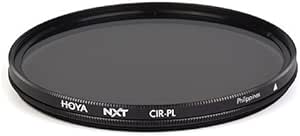
Hoya ANXT49CRPL 49mm NXT Circular Polarizer Filter
Enhance Your Images with Clarity and Vibrancy The Hoya 49mm NXT Circular Polarizer Filter is engineered to reduce reflections and glare from non-metallic surfaces. This filter enhances color saturation, especially in skies and foliage. Its low-profile aluminum frame ensures durability and ease of...
$49.90*
View on Amazon
✓ In Stock on Amazon.com
*Price sourced from Amazon.com. Last updated:Aug 29, 2026.Price and availability are subject to change — details.
Affiliate Disclosure: As an Amazon Associate, Studio Supplies earns from qualifying purchases made through links on this page, at no additional cost to you. This helps support our editorial team.
Notice a mistake? Let Us Know
Overview
Enhance Your Images with Clarity and Vibrancy
The Hoya 49mm NXT Circular Polarizer Filter is engineered to reduce reflections and glare from non-metallic surfaces. This filter enhances color saturation, especially in skies and foliage. Its low-profile aluminum frame ensures durability and ease of use.
- Filter Size: 49mm
- Filter Type: Circular Polarizer
- Frame: Low Profile Aluminum
- Coating: Non-Coated
- Glass Type: High-Transparency Optical Glass
- Light Transmission: Over 97% average
Key Features
Helps to Eliminate Reflections and Glare
Reduces Haze in Landscapes
Greater Color and Tonal Saturation
High-Transparency Optical Glass
Specifications
Filter Type
Circular Polarizer
Filter Diameter
49mm
Glass Type
High-Transparency Optical Glass
Function 1
Helps to Eliminate Reflections and Glare
Function 2
Reduces Haze in Landscapes
Function 3
Greater Color and Tonal Saturation
Frequently Asked Questions
What is the primary function of the Hoya 49mm NXT Circular Polarizer Filter?
Its primary function is to help eliminate reflections and glare from non-metallic surfaces, enhancing clarity in your photos.
Can this filter help with landscape photography?
Yes, it reduces haze in landscapes, which can lead to clearer and more defined distant shots.
Does this filter affect the colors in an image?
The filter contributes to greater color and tonal saturation, making colors appear more vibrant and rich.
What kind of glass is used in this filter?
This filter is made with high-transparency optical glass, which helps to maintain image quality and sharpness.
What size lens thread is this filter compatible with?
This is a 49mm filter, meaning it is designed to fit lenses with a 49mm filter thread.
Related Products


