

Hoya
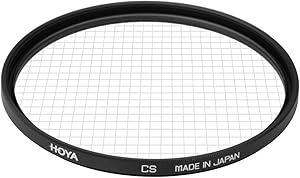
Hoya B405CS 40.5mm Four Point Cross Screen Glass Filter - 4X
Add Dramatic Flare to Your Photos The Hoya 40.5mm Four Point Cross Screen filter adds a captivating starburst effect to your images, transforming point light sources into dramatic four-pointed flares. Ideal for capturing stunning night scenes, reflective surfaces, and festive lighting, this filte...
View price on Amazon
Affiliate Disclosure: As an Amazon Associate, Studio Supplies earns from qualifying purchases made through links on this page, at no additional cost to you. This helps support our editorial team.
Notice a mistake? Let Us Know
Overview
Add Dramatic Flare to Your Photos
The Hoya 40.5mm Four Point Cross Screen filter adds a captivating starburst effect to your images, transforming point light sources into dramatic four-pointed flares. Ideal for capturing stunning night scenes, reflective surfaces, and festive lighting, this filter enhances your creative vision.
Key Specifications:
- Filter Size: 40.5mm
- Filter Type: Cross Screen
- Effect: Creates four-point starburst effect from light sources
Key Features
Effect becomes more pronounced with larger and brighter light sources.
Specifications
Brand
Hoya
Model
B405CS
Filter Size
40.5mm
Effect
Four Point Cross Screen
Material
Glass
Effect Intensity
4X
Frequently Asked Questions
What size lens thread is required for this Hoya filter?
This Hoya B405CS filter is designed for lenses with a 40.5mm filter thread.
What kind of effect does this filter produce?
This is a Four Point Cross Screen Glass Filter, which creates a starburst effect on bright light sources in your images.
How can I make the cross screen effect more visible in my photos?
The effect of this filter becomes more pronounced when photographing larger and brighter light sources.
Is this filter made of glass?
Yes, the Hoya B405CS is a Glass Filter.
Does this filter come in other sizes?
The product information specifies this filter as 40.5mm, and other sizes are not mentioned in this listing.
Related Products


