



Hoya
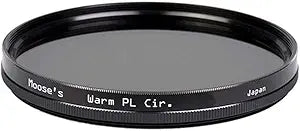
Hoya B52CIRPLW 52mm Moose Peterson Warming Polarizer
Deepen skies and add natural warmth in a single 52mm filter designed with wildlife photographer Moose Peterson.
View price on Amazon
Affiliate Disclosure: As an Amazon Associate, Studio Supplies earns from qualifying purchases made through links on this page, at no additional cost to you. This helps support our editorial team.
Notice a mistake? Let Us Know
Overview
Key Features
Hoya 52mm Warming Circular Polarizer Moose Filter
Specifications
Brand
Hoya
Model
B52CIRPLW
Filter Type
Warming Circular Polarizer
Size
52mm
Effect
Reduces reflections, darkens blue skies, adds warmth
Frequently Asked Questions
What does this filter do differently from a standard circular polarizer?
It combines circular polarization with a warming effect, so in addition to reducing reflections and darkening blue skies, it adds a subtle warm tone to your images — eliminating the need to stack a separate warming filter.
What thread size does this filter fit?
It fits lenses with a 52mm filter thread.
Can this filter be used for landscape photography?
Yes, it is well-suited for landscapes. The polarizing effect deepens blue skies and reduces glare from water or foliage, while the warming element counteracts the cool cast that polarizers can sometimes introduce.
Does the warming effect produce an orange or overly warm look?
No, the warming tone is designed to be subtle and natural — it corrects the slight cool shift common with standard polarizers rather than adding a heavy color cast.
Will this filter reduce the amount of light reaching the sensor?
Yes, like all circular polarizers, it reduces light transmission by approximately 1 to 2 stops, which may require adjusting your exposure settings.
Related Products


