

Hoya
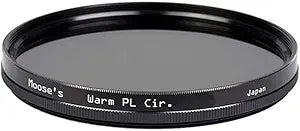
Hoya B62CIRPLGB 62mm Moose Peterson Warming Polarizer Filter
Enhance Your Photography with the Hoya 62mm Moose Peterson Warming Circular Polarizer FilterCapture stunning, vibrant images with the Hoya 62mm Moose Peterson Warming Circular Polarizer Filter. This filter combines polarization and warming effects to reduce reflections, enhance contrast, and corr...
$83.90*
View on Amazon
✓ In Stock on Amazon.com
*Price sourced from Amazon.com. Last updated:Aug 28, 2026.Price and availability are subject to change — details.
Affiliate Disclosure: As an Amazon Associate, Studio Supplies earns from qualifying purchases made through links on this page, at no additional cost to you. This helps support our editorial team.
Notice a mistake? Let Us Know
Overview
Enhance Your Photography with the Hoya 62mm Moose Peterson Warming Circular Polarizer Filter
Capture stunning, vibrant images with the Hoya 62mm Moose Peterson Warming Circular Polarizer Filter. This filter combines polarization and warming effects to reduce reflections, enhance contrast, and correct color temperature, delivering professional-quality results in any lighting conditions.
Hoya 62mm Moose Peterson Warming Circular Polarizer Filter Specifications:
- Filter Type: Circular Polarizer with 81A Warming Filter
- Filter Size: 62mm
- Effect: Reduces reflections, darkens blue skies, increases color contrast, warms color temperature
Specifications
Filter Type
Warming Polarizer
Filter Size
62mm
Frequently Asked Questions
What is the primary function of the Hoya 62mm Moose Peterson Warming Polarizer Filter?
This filter serves two primary functions: it acts as a polarizer to reduce reflections and enhance color saturation, and it also adds a warming effect to images.
How does this filter affect reflections in photos?
As a polarizer, it effectively reduces glare and reflections from non-metallic surfaces such as water and glass, leading to clearer images.
What size lens is this filter compatible with?
This Hoya filter is designed for lenses with a 62mm front filter thread.
Does this filter only affect specific colors?
While it is a "warming polarizer," implying it enhances warm tones, its polarizing effect also boosts overall color saturation and contrast, particularly in areas like skies and foliage.
Can this filter be used to darken skies in landscape photography?
Yes, like other polarizing filters, this warming polarizer can be rotated to achieve a deeper blue sky and enhanced cloud contrast in landscape photos.
Related Products


