

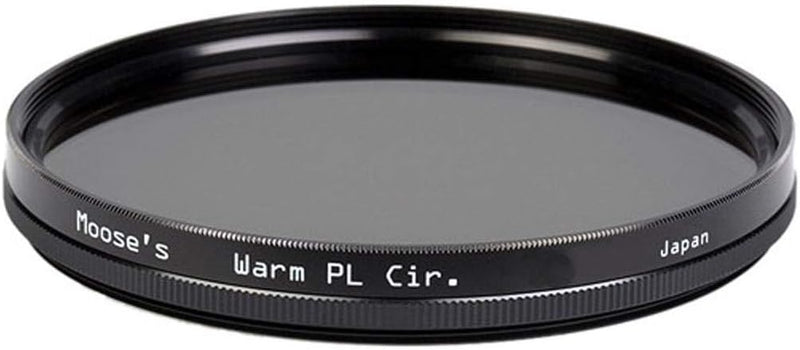


Hoya
Hoya HOYAB67CRPLW 67mm Warm Polarizer Filter
Two-in-one 67mm circular polarizer and warming filter designed specifically for wildlife and scenic photography
$100.90*
View on Amazon
✓ In Stock on Amazon.com
*Price sourced from Amazon.com. Last updated:Aug 28, 2026.Price and availability are subject to change — details.
Affiliate Disclosure: As an Amazon Associate, Studio Supplies earns from qualifying purchases made through links on this page, at no additional cost to you. This helps support our editorial team.
Notice a mistake? Let Us Know
Overview
Key Features
Hoya 67mm Warming Circular Polarizer Moose Filter
Specifications
Brand
Hoya
Model
HOYAB67CRPLW
Filter Size
67mm
Filter Type
Warm Circular Polarizer (CPL + 81A Warming)
Frequently Asked Questions
What two effects does the Hoya Moose Warm Circular Polarizer combine?
It combines a circular polarizer to reduce reflections and boost contrast with an 81A warming filter that adds a subtle warm tone to images, eliminating the need to stack two separate filters.
Will this filter work with autofocus and metering systems?
Yes, as a circular polarizer it is fully compatible with modern autofocus and through-the-lens metering systems on both DSLRs and mirrorless cameras.
What lens thread size does this filter fit?
This filter fits lenses with a 67mm front filter thread. Check your lens cap or lens barrel markings to confirm your thread size.
Why is it called the "Moose" filter?
It was designed in collaboration with nature photographer Moose Peterson, specifically tailored for the needs of wildlife and scenic photography.
Related Products


