

Hoya
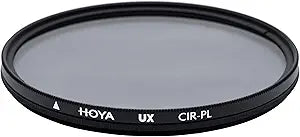
Hoya HPUX037 37 mm Circular Polarizing Filter
Reduce Glare and Enhance Colors with this Essential Photography FilterThe Hoya Circular UX Pole Filter is designed to reduce reflections and glare from non-metallic surfaces, enhancing color saturation and contrast in your photographs. By selectively filtering polarized light, this filter helps y...
View price on Amazon
Affiliate Disclosure: As an Amazon Associate, Studio Supplies earns from qualifying purchases made through links on this page, at no additional cost to you. This helps support our editorial team.
Notice a mistake? Let Us Know
Overview
Reduce Glare and Enhance Colors with this Essential Photography Filter
The Hoya Circular UX Pole Filter is designed to reduce reflections and glare from non-metallic surfaces, enhancing color saturation and contrast in your photographs. By selectively filtering polarized light, this filter helps you capture more vibrant and natural-looking images. Its water-repellent coating ensures easy maintenance and clear shots in various conditions.
- Diameter: 37 mm
- Type: Circular Polarizing Filter
- Water-Repellent: Yes
Key Features
Controls reflections from non-metallic surfaces such as water, glass, leaves and blue skies
Increases saturation and improves contrast
Rotating frame controls polarising effect
Slim filter frame - avoids vignetting on wide angle lenses whilst still holding a lens cap
Specifications
Filter Type
Circular Polarizing Filter
Filter Diameter
37 mm
Frame Type
Slim filter frame
Key Function
Controls reflections, increases saturation, improves contrast
Adjustment Method
Rotating frame
Frequently Asked Questions
What is the main benefit of using the Hoya 37mm Circular Polarizing Filter?
The main benefit is its ability to control reflections from non-metallic surfaces such as water, glass, leaves, and blue skies, leading to clearer and more vibrant images.
How does this filter affect the colors in my photos?
This filter helps to increase saturation and improve contrast, which can make colors appear richer and more vivid in your photographs.
Can this filter be used with wide-angle lenses without causing dark corners?
Yes, it is designed with a slim filter frame specifically to avoid vignetting, which is the darkening of corners, when used with wide-angle lenses.
How do I adjust the polarizing effect of this filter?
The filter features a rotating frame that allows you to precisely control the amount and direction of the polarizing effect by simply turning it.
Will I be able to attach my lens cap with this filter on?
Yes, the slim filter frame is designed to still allow you to hold a lens cap, ensuring your lens remains protected even with the filter attached.
Related Products


