

Hoya
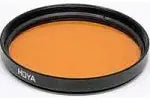
Hoya SEPIA A 58mm Sepia/Warm Tone Filter
Screw on a timeless finish — this 58mm Hoya Sepia filter transforms ordinary daylight scenes into warm, aged prints straight in-camera.
Check availability
Affiliate Disclosure: As an Amazon Associate, Studio Supplies earns from qualifying purchases made through links on this page, at no additional cost to you. This helps support our editorial team.
Notice a mistake? Let Us Know
Overview
Key Features
The Hoya 58mm Sepia Filter screws onto the end of any 58mm filter size SLR lens
This filter lends a warm, nostalgic effect to photographs that might otherwise appear rather ordinary
Sepia tones are infused across the entire image, making it appear to have been taken many years ago, and discolored with age
Specifications
Brand
Hoya
Model
SEPIA A 58mm
Filter Type
Sepia (warm tone color)
Diameter
58mm
Effect
Warm brownish-amber tint across full frame
Thread Type
Standard filter thread, 58mm
Compatible Camera Systems
Any SLR/DSLR lens with 58mm filter thread
Frequently Asked Questions
Can I achieve the same sepia effect in post-processing instead of using this filter?
You can replicate the color shift in Lightroom or Photoshop, but the filter applies the effect optically at capture time — which some film photographers and JPEG shooters prefer for its immediacy and analog character. For RAW shooters who always process in post, the software approach offers more control and reversibility. For photographers who prefer to commit a look at the moment of capture, or who shoot JPEG, the filter delivers the effect without any post work.
Does the sepia tone affect all colors equally, or does it shift certain tones more than others?
The sepia filter imparts a warm brownish-amber tone across the entire frame uniformly. It doesn't selectively target individual color channels the way a split-tone grade in editing software can. Highlights tend to render with a warmer golden cast, while shadows shift toward brown rather than remaining neutral or cool — giving the characteristic aged-photograph look.
Will attaching this filter affect my exposure or require exposure compensation?
The sepia filter has minimal optical density — it transmits most visible light while shifting the color balance. Exposure compensation is not typically needed. Your camera's TTL metering will read through the filter naturally and adjust accordingly. This differs from ND or heavy color filters that require exposure adjustment.
Does this 58mm filter thread onto Canon EF or Nikon F lenses with a 58mm front thread?
Yes — the Hoya Sepia screws onto any SLR or DSLR lens with a 58mm front filter thread, regardless of brand. Canon, Nikon, Sony, Pentax, and third-party lenses with a 58mm thread size all accept it directly. Verify your lens filter thread diameter in its documentation or on the lens barrel before ordering.
Is this filter suitable for video work, or is it primarily a stills tool?
It works for video as effectively as for stills — the sepia color shift is continuous and applies equally to motion footage. Filmmakers shooting with a vintage or warm-toned aesthetic will get the same in-camera effect as still photographers. The absence of significant exposure impact makes it easy to integrate into a video exposure setup.
Related Products


