



Hoya
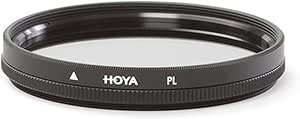
Hoya Y1POL049 49mm Linear Polarizing Filter
Cut glare and boost color saturation in your photos with this precision-coated 49mm linear polarizing filter.
$27.90*
View on Amazon
✓ In Stock on Amazon.com
*Price sourced from Amazon.com. Last updated:Aug 29, 2026.Price and availability are subject to change — details.
Affiliate Disclosure: As an Amazon Associate, Studio Supplies earns from qualifying purchases made through links on this page, at no additional cost to you. This helps support our editorial team.
Notice a mistake? Let Us Know
Overview
Key Features
BLOCKS REFLECTIONS FOR CLEARER, SHARPER IMAGES – Cut through glare from water, glass, and shiny surfaces using this polarizing filter for camera lens. Perfect for outdoor photography and shooting with polarized camera lens filters.
ENHANCES SKY CONTRAST AND NATURAL COLORS – Create stunning skies and vivid landscapes with our 49mm lens filter. This professional-grade camera lens filter intensifies blue skies and saturates colors without affecting color balance.
ADJUSTABLE ROTATING FRAME FOR CUSTOM EFFECTS – The slim aluminum rotating ring lets you control polarization levels in real time. This polarizer 49 mm lens filter is ideal for camera lens effects and creative composition.
BUILT FOR MANUAL FOCUS LENSES AND CAMERAS – Designed for manual focus photography, this polarizer filter ensures accurate exposure without interference, essential for professionals using lens filters or vintage gear.
DURABLE DESIGN WITH HOYA’S LEGENDARY GLASS QUALITY – Crafted from high-quality optical glass with a slim aluminum frame, this polarized camera lens filter delivers lasting performance for photographers seeking reliable camera accessories.
Specifications
Filter Size
49mm
Filter Type
Linear Polarizing
Coating
Both surfaces coated
Mount
Rotatable for effect control
Compatibility
Manual focus cameras and lenses
Function
Reduces glare, enhances color saturation and contrast
Model
Y1POL049
Frequently Asked Questions
What is the difference between a linear and circular polarizing filter?
A linear polarizer filters light in a single plane, which works well with manual focus cameras but can interfere with autofocus and metering systems on modern cameras. Circular polarizers add a second layer that allows autofocus to function properly.
Can I use this filter on an autofocus camera?
Hoya specifies this filter is designed for manual focus cameras and lenses. Using it on an autofocus camera may cause inaccurate autofocus and metering readings.
How do I adjust the strength of the polarizing effect?
Rotate the filter's front ring while looking through the viewfinder. The polarization effect changes as you turn the ring, letting you dial in the desired amount of glare reduction or sky contrast.
Does this filter affect exposure?
Yes, polarizing filters typically reduce light transmission by about 1 to 2 stops, so you may need to compensate with a wider aperture, slower shutter speed, or higher ISO.
Will this filter fit my lens?
This filter fits any lens with a 49mm front filter thread. Check the markings on your lens cap or lens barrel to confirm the thread size.
Related Products


