

Hoya
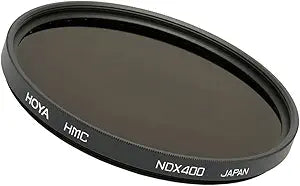
Hoya Y5NDX40082 82mm NDX400 Neutral Density Filter
Control Light and Motion with the Hoya NDX400 Neutral Density Filter The Hoya NDX400 HMC Filter is a high-quality neutral density filter that allows you to reduce the amount of light entering your camera lens by 9 stops. This enables you to use slower shutter speeds or wider apertures in bright c...
View price on Amazon
Affiliate Disclosure: As an Amazon Associate, Studio Supplies earns from qualifying purchases made through links on this page, at no additional cost to you. This helps support our editorial team.
Notice a mistake? Let Us Know
Overview
Control Light and Motion with the Hoya NDX400 Neutral Density Filter
The Hoya NDX400 HMC Filter is a high-quality neutral density filter that allows you to reduce the amount of light entering your camera lens by 9 stops. This enables you to use slower shutter speeds or wider apertures in bright conditions, giving you greater control over depth of field and motion blur. The multi-coating helps to minimize reflections and maintain accurate color balance.
Specifications:
- Filter Type: Neutral Density (ND)
- Density: NDX400 (9-Stop Reduction)
- Diameter: 82mm
- Coating: Multi-Coated (HMC)
- Construction: Optical Glass, Aluminum Ring
Key Features
Neutral Density Factor 2.7 / 400 x
Exposure Adjustment approximatly 9 Stops
Reduces ISO 1/500
Specifications
Filter Type
Neutral Density (ND)
Filter Size
82mm
Neutral Density Factor
2.7 / 400x
Exposure Adjustment
Approximately 9 Stops
ISO Reduction
1/500
Frequently Asked Questions
How many stops of light does the Hoya NDX400 filter reduce?
The Hoya 82mm NDX400 Neutral Density Filter reduces incoming light by approximately 9 stops, which allows for extended exposure times.
What is the neutral density factor of this filter?
This filter has a neutral density factor of 2.7 / 400x, providing a strong reduction in light without affecting the color balance of your images.
Can this filter help with managing ISO in bright conditions?
Yes, it effectively reduces the ISO by 1/500, enabling photographers to use wider apertures or slower shutter speeds in very bright outdoor lighting.
What type of photographic effects can be achieved with this filter?
This filter is ideal for creating motion blur effects in subjects like water or clouds, making them appear smooth and ethereal due to the long exposure capabilities.
What is the thread size of this filter?
This Hoya filter has an 82mm thread size, making it compatible with camera lenses that have an 82mm filter attachment diameter.
Related Products


