

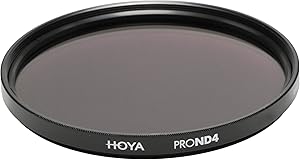
Hoya
Hoya YPND000449 Pro ND-Filter - Neutral Density 4, 49mm
Achieve Creative Control with Neutral Density FiltersThe Hoya Pro ND-Filter allows you to reduce the amount of light entering your camera lens, enabling creative effects such as motion blur and shallow depth of field in bright conditions. Its ACCU-ND technology ensures a neutral color balance wit...
View price on Amazon
Affiliate Disclosure: As an Amazon Associate, Studio Supplies earns from qualifying purchases made through links on this page, at no additional cost to you. This helps support our editorial team.
Notice a mistake? Let Us Know
Overview
Achieve Creative Control with Neutral Density Filters
The Hoya Pro ND-Filter allows you to reduce the amount of light entering your camera lens, enabling creative effects such as motion blur and shallow depth of field in bright conditions. Its ACCU-ND technology ensures a neutral color balance without any noticeable color cast.
- Filter Type: Neutral Density (ND)
- Density: ND4 (2 stops)
- Filter Size: 49mm
- Technology: ACCU-ND coating
- Frame: Low-profile one-piece aluminum frame
Key Features
Reduces the light entering your camera lens by 2 stops
Permits wider apertures and slower shutter speeds to be used
ACCU-ND coating for truly neutral colour balance
Allows you to reduce depth of field for portraits
Low-profile aluminium ring avoids vignetting
Specifications
Light Reduction
2 stops
Coating Type
ACCU-ND
Ring Material
Aluminium
Ring Profile
Low-profile
Filter Diameter
49mm
Frequently Asked Questions
How much light does the Hoya YPND000449 Pro ND-Filter reduce?
This Hoya Pro ND-Filter reduces the amount of light entering your camera lens by 2 stops.
Can I use this filter to achieve a shallow depth of field for portraits?
Yes, by reducing light, it allows you to use wider apertures, which can help in achieving a shallower depth of field for portraits with blurred backgrounds.
What is the benefit of the ACCU-ND coating on this filter?
The ACCU-ND coating ensures a truly neutral color balance, preventing unwanted color casts that can sometimes occur with neutral density filters.
Will this filter cause dark corners or vignetting in my photos?
The filter is designed with a low-profile aluminium ring specifically to avoid vignetting, particularly useful when shooting with wide-angle lenses.
What creative effects can be achieved with a 2-stop neutral density filter?
A 2-stop ND filter allows for slightly slower shutter speeds, which can be used to introduce subtle motion blur in subjects like flowing water or moving clouds in moderately bright conditions.
Related Products


