

JVC
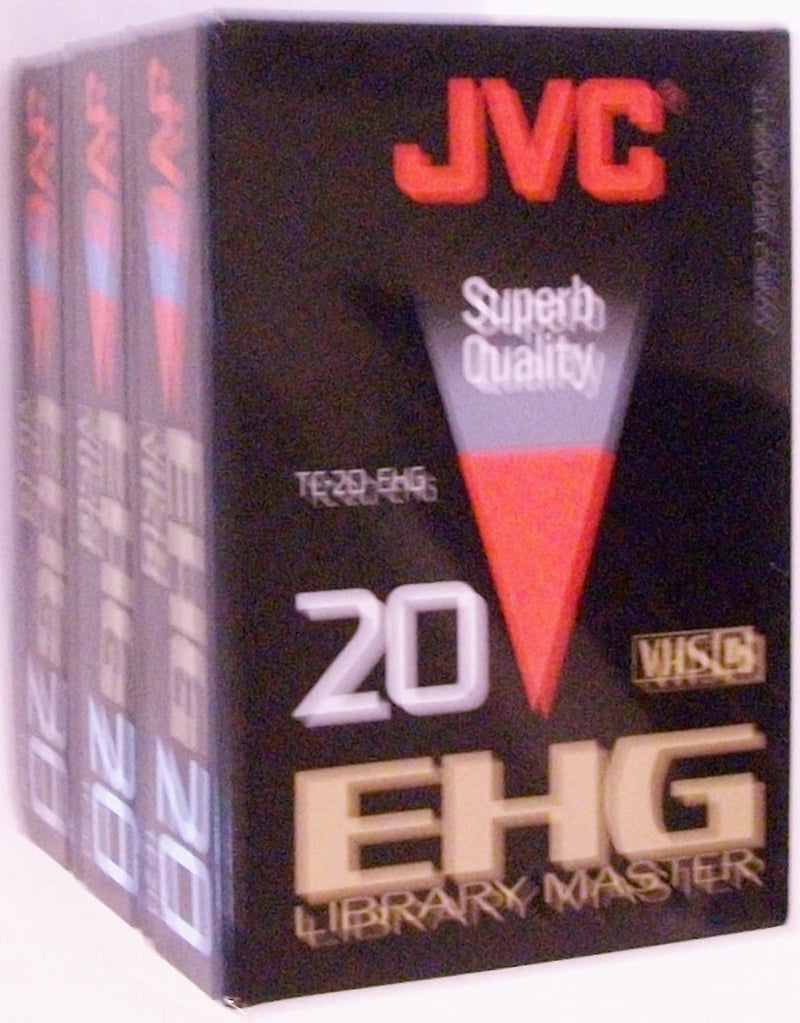
JVC EHG 20 VHS-C Library Master Compact Cassette (3 Pack)
Preserve irreplaceable home video footage with JVC's high-grade VHS-C tape engineered specifically for long-term archival storage.
Check availability
Affiliate Disclosure: As an Amazon Associate, Studio Supplies earns from qualifying purchases made through links on this page, at no additional cost to you. This helps support our editorial team.
Notice a mistake? Let Us Know
Overview
Key Features
For preserving rare and valuable recordings
Specifications
Format
VHS-C
Grade
EHG (Extra High Grade)
Recording Time
20 minutes (SP mode)
Pack Quantity
3 cassettes
Brand
JVC
Model
EHG 20
Frequently Asked Questions
What does "EHG" mean and why does it matter for recording quality?
EHG stands for Extra High Grade — JVC's designation for a higher-coercivity tape formulation that produces better signal-to-noise ratio and more stable playback compared to standard-grade VHS-C stock. For archival recordings you want to keep for decades, the grade matters.
Is the TC-20 recording time the same on all camcorders?
No. TC-20 refers to 20 minutes in SP (standard play) mode on compatible camcorders. If your camcorder supports EP or LP modes, you may get extended recording time, but JVC recommends SP for best picture quality on this tape.
Are these tapes compatible with full-size VHS players?
Not directly. VHS-C tapes require either a VHS-C camcorder or a VHS-C adapter cassette to play back in a full-size VHS deck. The adapter is a separate accessory not included in this pack.
Does buying a 3-pack offer any advantage over single tapes?
Yes — having three tapes on hand lets you organize recordings across separate cassettes by event, date, or subject without stopping to reuse a tape. For archival work, dedicated individual tapes per session is best practice.
How should these tapes be stored long-term?
Store vertically in a cool, dry location away from magnetic fields, direct sunlight, and humidity. JVC recommends rewinding fully before storage and keeping tapes in their cases to protect the tape path.
Related Products


