

JVC
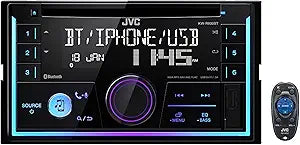
JVC KW-R930BTS Double Din Car Stereo Bluetooth USB
★★★★★
Elevate Your Car Audio ExperienceThe JVC KWR930BT Car Stereo is a double-DIN receiver that combines Bluetooth connectivity, CD playback, and versatile media options. Enjoy hands-free calling, wireless audio streaming, and customizable illumination for the perfect in-car entertainment. Bluetooth ...
$124.99*
Check availability
*Price sourced from Amazon.com. Last updated:Jul 21, 2026.Price and availability are subject to change.
Affiliate Disclosure: Studio Supplies may earn a commission from qualifying purchases made through links on this page, at no additional cost to you. This helps support our editorial team.
Notice a mistake? Let Us Know
Overview
Elevate Your Car Audio Experience
The JVC KWR930BT Car Stereo is a double-DIN receiver that combines Bluetooth connectivity, CD playback, and versatile media options. Enjoy hands-free calling, wireless audio streaming, and customizable illumination for the perfect in-car entertainment.
- Bluetooth Automatic Pairing for 2 Phones
- USB Charging
- SiriusXM Ready
- Pandora / iHeartRadio / Spotify Compatibility
- 13-Band EQ
- JVC Remote App Compatibility
- iOS and Android Compatible
- Android Music Playback
Specifications:
- Brand: JVC
- Model: KW-R930BTS
- Type: Double Din Car Stereo
- Bluetooth: Yes
- CD Player: Yes
- MP3/USB: Yes
- AM/FM Radio: Yes
- Maximum Output Power: 50W x 4
Key Features
DISPLAY - Large 2 Line display. Mix front panel illumination into separate colors or match them to your interior lighting
BLUETOOTH TECHNOLOGY: Answer calls with just one push of a button. Make calls and be hands-free with no distractions. Also pair two Bluetooth-equipped phones and quickly switch between them for hands-free calling
Bluetooth enables you to wirelessly stream audio. This receiver will automatically pair up to an iPhone or an Android, and quickly switch between two paired phones. Control directly from your iPhone or Android phone using JVC's free Remote app
MEDIA PLAYBACK: Plays Bluetooth /CD/USB/MP3/WMA/WAV/AAC/ FLAC, AM/FM, SiriusXM Ready, and Digital Media from Smart Phone AUXILIARY INPUT: This double din head unit is compatible with the audio output from smartphones as well as MP3 players
MISC – High Output USB perfect for Quick Charging, Built-in MOSFET Amp (22 Watts RMS/50 Max X 4 Channels) 13-Band Graphic EQ, 6-Channel preamp outputs (2.5-Volt front, rear, sub) Steering Wheel Control Compatible, English and Spanish Menus
Specifications
Display
Large 2 Line
Bluetooth
Dual Phone Pairing, Audio Streaming, Hands-Free Calling
Media Playback
Bluetooth, CD, USB, MP3, WMA, WAV, AAC, FLAC, AM/FM, SiriusXM Ready (tuner/subscription separate), Digital Media from Smart Phone
Auxiliary Input
Yes (for smartphones, MP3 players)
USB Output
High Output (for Quick Charging)
Amplifier
Built-in MOSFET Amp (22 Watts RMS/50 Max X 4 Channels)
Equalizer
13-Band Graphic EQ
Preamp Outputs
6-Channel (2.5-Volt front, rear, sub)
Steering Wheel Control
Compatible
Menus
English and Spanish
Form Factor
Double Din
Brand
JVC
Frequently Asked Questions
What type of display does the JVC KW-R930BTS car stereo have?
The JVC KW-R930BTS features a large 2-line display, which also offers customizable front panel illumination.
Can I connect multiple phones via Bluetooth to this car stereo?
Yes, this stereo allows you to pair two Bluetooth-equipped phones simultaneously and quickly switch between them for hands-free calling.
What audio sources can this JVC receiver play?
The receiver supports playback from Bluetooth, CD, USB, MP3, WMA, WAV, AAC, FLAC, AM/FM radio, SiriusXM Ready (requires tuner/subscription), and digital media from smartphones via the auxiliary input.
Does the USB port on this unit support quick charging?
Yes, the JVC KW-R930BTS includes a high-output USB port specifically designed for quick charging of compatible devices.
Is the car stereo compatible with my vehicle's steering wheel controls?
Yes, this double din head unit is Steering Wheel Control Compatible, allowing it to integrate with most factory steering wheel control adapters.
What kind of sound customization options are available?
The stereo features a 13-Band Graphic EQ for detailed sound tuning and 6-channel preamp outputs (2.5-Volt front, rear, sub) for system expansion.
Related Products


