

JVC
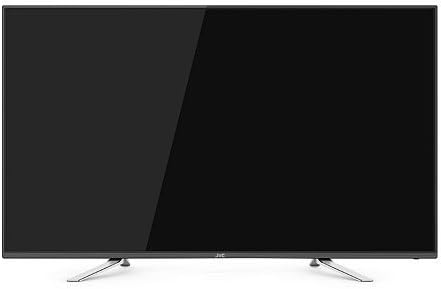
JVC LT 42UE76 42-Inch 4K Ultra HD TV
4K
A 42-inch 4K panel at a compact footprint — JVC's thin-bezel UHD TV brings Ultra HD detail to spaces where 55-inch sets don't fit.
$369.97*
Check availability
*Price sourced from Amazon.com. Last updated:Aug 28, 2026.Price and availability are subject to change — details.
Affiliate Disclosure: As an Amazon Associate, Studio Supplies earns from qualifying purchases made through links on this page, at no additional cost to you. This helps support our editorial team.
Notice a mistake? Let Us Know
Overview
Key Features
Model: LT-42UE76
4K Ultra HD resolution
Thin bezel delivers a more expansive viewing experience in the same amount of space
3 HDMI inputs for high-quality sound and viewing
Specifications
Model
LT-42UE76
Screen Size
42-Inch
Resolution
4K Ultra HD
HDMI Inputs
3
Frequently Asked Questions
What does 4K Ultra HD resolution actually look like different on a 42-inch screen versus 1080p at this size?
At 42 inches, the pixel density of 4K (3840x2160) is noticeably higher than 1080p — roughly 105 pixels per inch versus 52 ppi. The improvement is most visible when sitting close to the screen or watching native 4K content. At typical living room viewing distances of 8–10 feet, the jump from 1080p is more subtle than on larger screens.
How many HDMI ports does the LT-42UE76 have, and which one supports 4K input?
Three HDMI ports are included. One of the three is HDMI 2.0-compatible, which is necessary for 4K HDR input and 4K@60Hz source devices. The other two are HDMI 1.4 — capable of 4K@30Hz at best from compatible sources. If you have more than one 4K source device, plan accordingly for which port carries the primary connection.
Is this a smart TV, and does it have built-in streaming apps?
The available product specifications do not mention smart TV functionality or built-in streaming platforms. Verify with the seller whether this model includes a smart TV interface — if streaming apps are important to your setup, confirm before purchasing rather than assuming they're included.
What refresh rate does the LT-42UE76 run at, and does that affect sports or gaming?
The native refresh rate is 60Hz. This is the standard baseline — motion in sports and action sequences will be adequate but not as smooth as 120Hz panels. For casual gaming, 60Hz is functional; for competitive gaming where frame rate matters, it is the minimum acceptable specification.
What is the dynamic contrast ratio, and how does that translate to picture quality in a dark room?
The specified 3000:1 dynamic contrast ratio describes the TV's ability to vary backlight intensity between scenes. In practice, dynamic contrast creates deeper apparent blacks in dark room viewing, though the technique can cause noticeable brightness pumping between bright and dark scenes in some content. Static contrast performance — which is not listed — is the more reliable picture quality indicator.
Related Products


