

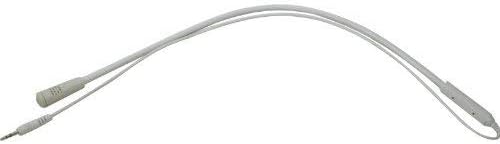
Korg
Korg 8541752831 Condensor Microphone EM197K
The Korg EM197K brings a 76 dB signal-to-noise ratio and XLR connectivity to recordings where clean, unidirectional capture is the priority.
$26.80*
View on Amazon
✓ In Stock on Amazon.com
*Price sourced from Amazon.com. Last updated:Aug 28, 2026.Price and availability are subject to change — details.
Affiliate Disclosure: As an Amazon Associate, Studio Supplies earns from qualifying purchases made through links on this page, at no additional cost to you. This helps support our editorial team.
Notice a mistake? Let Us Know
Overview
Key Features
Korg condensor microphone EM197K.
Specifications
Brand
Korg
Model
EM197K
Color
White
Connectivity
XLR
Connector Type
XLR
Polar Pattern
Unidirectional (Cardioid)
Signal-to-Noise Ratio
76 dB
Channels
1
Power Source
Phantom power (corded)
Item Weight
6 oz
Frequently Asked Questions
Does the Korg EM197K require phantom power, and how do I confirm my interface supports it?
As a condenser microphone, the EM197K requires phantom power to operate — it will produce no output without it. Most audio interfaces and mixers provide 48V phantom power via a dedicated switch (often labeled "+48V" or "P48"). Check your interface's specifications or manual to confirm phantom power is available on the XLR input you're using before connecting this microphone.
What does the 76 dB signal-to-noise ratio tell me about this microphone's performance?
Signal-to-noise ratio measures how far the microphone's self-noise sits below the usable signal — higher is cleaner. At 76 dB, the EM197K's noise floor is low enough to capture vocals and acoustic instruments without audible hiss at normal gain settings, placing it in a range suitable for clean studio and podcast recording applications.
What does the unidirectional polar pattern mean for how I position this microphone?
Unidirectional (cardioid) pickup rejects sound arriving from behind and to the sides of the microphone's capsule. In practice, position the microphone's top end toward your sound source. This pattern is effective at isolating a voice or instrument from room noise and bleed from nearby sources — a practical advantage in untreated recording spaces.
What connector does the EM197K use, and is it compatible with standard audio interfaces?
The EM197K uses a standard XLR connector, which is compatible with virtually all audio interfaces, mixers, and recorders that have XLR microphone inputs. No adapters are required for typical studio or podcast setups.
How heavy is the EM197K, and does it work with a standard microphone stand?
The microphone weighs 6 ounces, making it a lightweight option for desktop or stand-mounted use. It is compatible with standard microphone stand threading, though you should verify the included or available mounting hardware matches your stand's clip or adapter.
Related Products


