



Korg
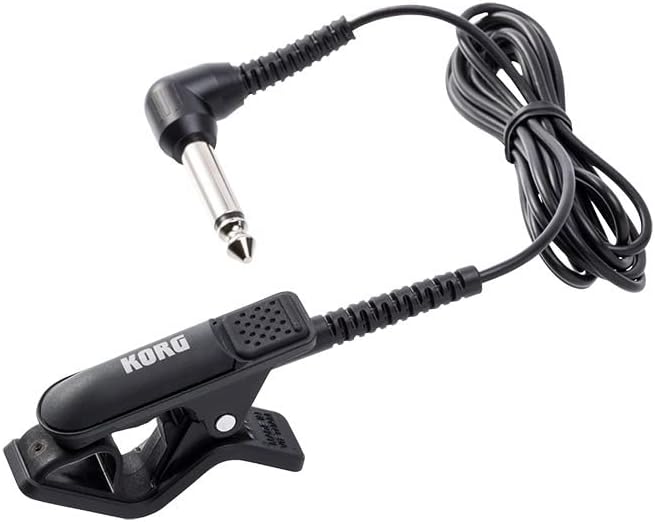
Korg CM-300 Clip-On Contact Microphone - Black
Achieve Accurate Tuning with the Korg CM-300 Clip-On Contact Microphone The Korg CM-300 Clip-On Contact Microphone offers precise tuning in any environment. By directly capturing your instrument's vibrations, this microphone eliminates ambient noise and ensures accurate tuning every time. Specif...
$20.69*
Check availability
*Price sourced from Amazon.com. Last updated:Oct 20, 2026.Price and availability are subject to change — details.
Affiliate Disclosure: As an Amazon Associate, Studio Supplies earns from qualifying purchases made through links on this page, at no additional cost to you. This helps support our editorial team.
Notice a mistake? Let Us Know
Overview
Achieve Accurate Tuning with the Korg CM-300 Clip-On Contact Microphone
The Korg CM-300 Clip-On Contact Microphone offers precise tuning in any environment. By directly capturing your instrument's vibrations, this microphone eliminates ambient noise and ensures accurate tuning every time.
Specifications:
- Type: Clip-On Contact Microphone
- Attachment: Clip opens to 1.2 inches (30mm)
- Plug: 1/4-inch TS Plug
- Material: Rubber grip
- Compatible Instruments: Trumpet, Trombone, Saxophone, Violin, Guitar, Ukulele, and more
- Color: Black
Specifications
Product Type
Clip-On Contact Microphone
Color
Black
Brand
Korg
Model Number
CM-300
Frequently Asked Questions
What type of microphone is the Korg CM-300?
The Korg CM-300 is a clip-on contact microphone, designed to pick up vibrations directly from an instrument.
What color is the Korg CM-300 microphone?
The Korg CM-300 Clip-On Contact Microphone comes in a black finish.
What is the primary use for this microphone?
This microphone is primarily designed to be used with tuners and metronomes for accurate instrument tuning and rhythm practice.
How does the Korg CM-300 attach to an instrument?
It features a clip-on design, allowing for easy and secure attachment to the bell or body of an instrument.
Is this microphone suitable for recording music?
While it captures sound, its primary design is for tuning and practice, not for high-fidelity music recording where a broader frequency response might be desired.
Related Products


