

Latin Percussion
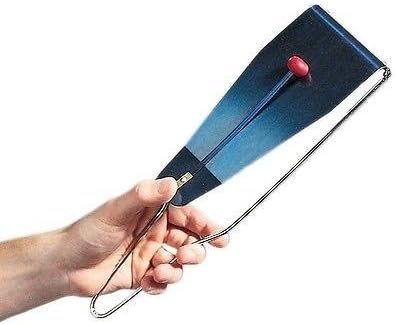
Latin Percussion Flex-A-Tone Hand Percussion Sound Effect
The Latin Percussion Flex-A-Tone delivers haunting, pitch-bending spring-steel tones that cut through any mix with otherworldly texture.
View price on Amazon
Affiliate Disclosure: As an Amazon Associate, Studio Supplies earns from qualifying purchases made through links on this page, at no additional cost to you. This helps support our editorial team.
Notice a mistake? Let Us Know
Overview
Key Features
LP1-8 large flex a tone NOT THE STANDARD
Specifications
Product Type
Flex-A-Tone
Size
Large
Model Number
LP1-8
Frequently Asked Questions
What kind of sounds does the Flex-A-Tone actually produce?
The Flex-A-Tone produces a warbling, vibrato-like pitch that rises and falls as you bend the spring steel blade — think theremin-adjacent wobble with percussive transient attack from the wooden ball striker. It's not a tunable instrument in the traditional sense; the pitch range is controlled entirely by how much you flex the blade.
How is this "large" version different from a standard Flex-A-Tone?
This is the LP1-8 large format, which produces a lower, fuller fundamental tone compared to the smaller standard model. The larger blade moves more air on the attack and sustains longer, giving you deeper pitch-bend range — useful when you need the effect to sit lower in a mix or register more dramatically on camera or stage.
Can the Flex-A-Tone be miked or DI'd for studio or live use?
It requires a microphone — there is no pickup or DI output. In the studio, a condenser mic a foot or two away captures both the metallic transient and the sustaining wobble well. Live, a dynamic mic placed close works best to minimize bleed; the instrument is naturally quiet and won't compete with stage volume on its own.
Is this suitable for film scoring or sound design work?
Yes, it's a go-to tool for sound designers and composers working in horror, suspense, or experimental genres. The natural pitch-bend and metallic sustain sample beautifully, and the unpredictability of hand pressure makes every strike slightly different — useful when you want organic variation in a texture layer.
Does it require any maintenance or tuning?
The spring steel blade requires no tuning and is essentially maintenance-free. Avoid bending it past its natural range to prevent metal fatigue over time. The wooden ball striker may loosen with heavy use and can be re-secured or replaced if needed.
Related Products


