

Latin Percussion
Latin Percussion LP212R African Claves Percussion
Resonant Rhythms: Latin Percussion African ClavesThe Latin Percussion African Claves LP212R offer a traditional rhythmic foundation for Latin music, adapting African design principles for rich, projective tones. Crafted from kiln-dried exotic hardwood, these claves produce a sharp, cracking sound...
$72.00*
View on Amazon
✓ In Stock on Amazon.com
*Price sourced from Amazon.com. Last updated:Oct 23, 2026.Price and availability are subject to change — details.
Affiliate Disclosure: As an Amazon Associate, Studio Supplies earns from qualifying purchases made through links on this page, at no additional cost to you. This helps support our editorial team.
Notice a mistake? Let Us Know
Overview
Resonant Rhythms: Latin Percussion African Claves
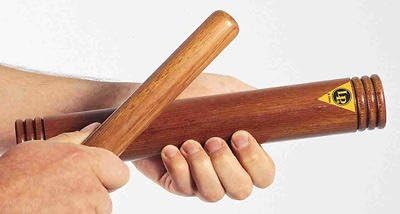
The Latin Percussion African Claves LP212R offer a traditional rhythmic foundation for Latin music, adapting African design principles for rich, projective tones. Crafted from kiln-dried exotic hardwood, these claves produce a sharp, cracking sound essential for defining clave patterns in music.
- Design: Follows African tradition with larger clave and smaller striker
- Clave Dimensions: 12" Length x 1 3/4" Width
- Striker Dimensions: 10" Length x 1" Width
- Sound Chamber: Cut-away with hollowed center for broader tones
- Material: Kiln-dried exotic hardwood
- Tone: Deep, rich, and projective
Specifications
Brand
Latin Percussion
Model
LP212R
Instrument Type
African Claves
Category
Percussion
Frequently Asked Questions
What type of musical instrument are the Latin Percussion LP212R?
The Latin Percussion LP212R are African Claves, designed as a percussion instrument.
What kind of sound do these claves produce?
African Claves typically produce a bright, sharp, and resonant clicking sound when struck together.
Are these suitable for professional musicians?
As products from Latin Percussion, they are generally designed for quality, making them suitable for various levels of musicianship, including professional use.
Do these claves come in different sizes or pitches?
The provided information specifies the model LP212R as "African Claves Percussion," but does not detail variations in size or pitch for this specific product.
How are these claves typically played?
Claves are typically held in both hands, with one clave resting on the palm and fingertips of one hand, and the other used to strike it.
Related Products


