

Latin Percussion
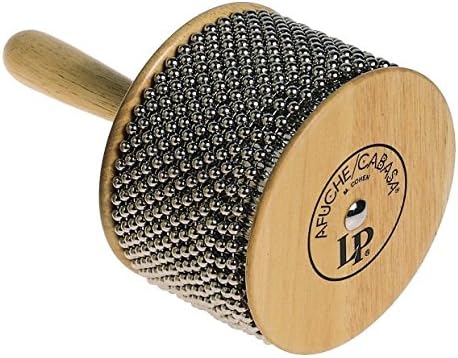
Latin Percussion LP234C Afuche/Cabasa Hand Percussion Instrument
Classic steel-bead cabasa delivering distinctive rhythmic scraping textures for any musical genre.
$109.00*
View on Amazon
✓ In Stock on Amazon.com
*Price sourced from Amazon.com. Last updated:Oct 23, 2026.Price and availability are subject to change — details.
Affiliate Disclosure: As an Amazon Associate, Studio Supplies earns from qualifying purchases made through links on this page, at no additional cost to you. This helps support our editorial team.
Notice a mistake? Let Us Know
Overview
Specifications
Instrument Type
Afuche/Cabasa
Cylinder Material
Textured stainless steel
Bead Material
Steel bead chains
Flange Material
Wood
Handle Material
Wood
Sound Type
Rhythmic scraping and patterns
Frequently Asked Questions
How does the LP Afuche/Cabasa produce its sound?
Steel bead chains wrapped around a textured stainless steel cylinder create a distinctive scraping and rattling sound when the instrument is twisted or shaken against the beads.
Is this cabasa suitable for beginners?
Yes, the LP234C is straightforward to play — you hold the wooden handle and rotate the cylinder against the bead chains to produce rhythmic patterns, making it accessible to players at any skill level.
What materials is the LP234C made from?
It features steel bead chains, a textured stainless steel cylinder, wooden flanges, and a wooden handle.
What styles of music commonly use the cabasa?
The cabasa appears in Latin, pop, funk, jazz, and studio recording sessions, where its unique scraping texture adds rhythmic complexity that shakers and maracas cannot replicate.
How do you control the volume and tone of this cabasa?
Grip pressure on the bead chains against the cylinder controls volume — a tighter grip produces a louder, more defined scrape, while a lighter touch yields a softer, more subtle texture.
Related Products


