

Latin Percussion
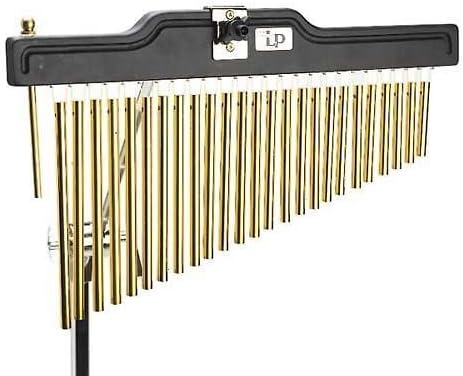
Latin Percussion LP449 Studio Series Bar Chimes
Tempered aluminum alloy bars and precision braided cord deliver shimmering, sustained shimmer that cuts through a dense mix without piercing.
$199.00*
View on Amazon
✓ In Stock on Amazon.com
*Price sourced from Amazon.com. Last updated:Oct 24, 2026.Price and availability are subject to change — details.
Affiliate Disclosure: As an Amazon Associate, Studio Supplies earns from qualifying purchases made through links on this page, at no additional cost to you. This helps support our editorial team.
Notice a mistake? Let Us Know
Overview
Specifications
Construction
Tempered aluminum alloy chimes
Chime Diameter
3/8 inch aluminum alloy
Bar Material
Natural wood with satin finish
Mounting
Anti-twist bracket at balance point
Cord
High-tensile braided cord
Striker
Included, with dedicated storage slot
Series
Studio Series
Frequently Asked Questions
How many bars does the LP449 have, and how does that affect the density of the shimmer texture?
Latin Percussion specifies the LP449 as their Studio Series bar chime — the aluminum alloy bars are arranged for a full, layered shimmer response. A higher bar count produces a denser, more sustained wash; the LP449's construction is tuned for studio-grade tonal complexity rather than a sparse, dry accent.
Does the anti-twist mounting bracket affect how the chimes behave when struck?
Yes, directly. The bracket mounts at the balance point of the chime bar assembly, which prevents rotational torque from dampening sustain. The bars ring freely through their full decay rather than being choked by frame movement — critical for capturing clean, uncolored ring on a condenser microphone.
What playing techniques work best with the LP449 to control the shimmer density?
A slow, deliberate sweep of the striker produces a rolling wash suitable for ambient textures and orchestral swells. A quick flick generates a sharp, articulate accent with fast attack. The braided cord allows bars to move independently, so dampening select bars by hand mid-phrase is a practical live technique for dynamic control.
How does the LP449 record in a studio environment — is self-noise or resonance an issue at close-mic distances?
The tempered aluminum alloy construction rings cleanly with minimal metallic harshness at close range, which is why this is designated a Studio Series instrument. At close-mic distances with a large-diaphragm condenser, you'll capture natural overtone bloom without the brittle edge common in lower-grade bar chimes.
Is the LP449 suitable for live percussion rigs, or is it primarily a studio instrument?
The aluminum frame and anti-twist bracket are road-worthy, and the included striker has a dedicated storage slot for quick teardown. It can be rigged to a standard percussion stand for live use. The main live-rig consideration is that bar chimes are omnidirectional sound sources — stage wash and monitor bleed will complicate isolation in loud environments.
Related Products


