

Latin Percussion
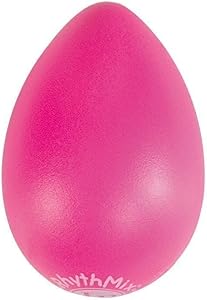
Latin Percussion LPR004-GP RhythMix Egg Shakers Grape
Add Rhythm and Fun with Latin Percussion Egg Shakers The Latin Percussion RhythMix Egg Shakers provide quick, delicate, and responsive sounds perfect for adding subtle percussion to any musical arrangement. Sold in pairs and safety approved for ages 2 and up, these grape-colored shakers are a fun...
$12.95*
Check availability
*Price sourced from Amazon.com. Last updated:Oct 25, 2026.Price and availability are subject to change — details.
Affiliate Disclosure: As an Amazon Associate, Studio Supplies earns from qualifying purchases made through links on this page, at no additional cost to you. This helps support our editorial team.
Notice a mistake? Let Us Know
Overview
Add Rhythm and Fun with Latin Percussion Egg Shakers
The Latin Percussion RhythMix Egg Shakers provide quick, delicate, and responsive sounds perfect for adding subtle percussion to any musical arrangement. Sold in pairs and safety approved for ages 2 and up, these grape-colored shakers are a fun and safe way to introduce children to the world of rhythm.
Features:
- Sound: Produces quick, delicate and responsive sounds.
- Color: Grape
- Safety: Approved for ages 2 and up.
- Quantity: Sold in pairs.
Specifications:
- Brand: Latin Percussion
- Model: LPR004-GP
- Color: Grape
- Age Range: 2 and up
- Type: Egg Shakers
- Quantity: Pair
Key Features
Produces quick, delicate and responsive sounds
Grape
Safety approved for ages 2 and up
Sold in pairs
Specifications
Product Type
Egg Shakers
Color
Grape
Age Recommendation
Ages 2 and up
Quantity
Sold in pairs
Sound Characteristics
Quick, delicate, and responsive
Frequently Asked Questions
What kind of sound do these RhythMix Egg Shakers produce?
These egg shakers produce quick, delicate, and responsive sounds, making them suitable for various musical activities.
What color are these Latin Percussion Egg Shakers?
The Latin Percussion LPR004-GP RhythMix Egg Shakers are a vibrant grape color.
Are these egg shakers safe for young children?
Yes, they are safety approved for ages 2 and up, making them appropriate for toddlers and young children.
How are these egg shakers packaged for purchase?
These RhythMix Egg Shakers are sold in pairs, providing two shakers in each package.
Are these suitable for professional musicians?
While they produce musical sounds, these are primarily designed as introductory musical instruments, suitable for early childhood education and casual use.
Related Products


