

Leica
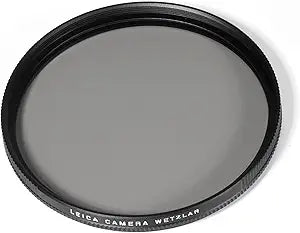
Leica 13053 95mm Camera Lens Polarizing Filter
Enhance Your Photography with the Leica 13053 Polarizing Filter The Leica 13053 is a high-quality circular polarizing filter designed to reduce reflections and glare, enhance color saturation, and increase contrast in your photographs. This filter is an essential accessory for photographers looki...
View price on Amazon
Affiliate Disclosure: As an Amazon Associate, Studio Supplies earns from qualifying purchases made through links on this page, at no additional cost to you. This helps support our editorial team.
Notice a mistake? Let Us Know
Overview
Enhance Your Photography with the Leica 13053 Polarizing Filter
The Leica 13053 is a high-quality circular polarizing filter designed to reduce reflections and glare, enhance color saturation, and increase contrast in your photographs. This filter is an essential accessory for photographers looking to achieve optimal image quality in various shooting conditions.
Specifications:
- Type: Circular Polarizing Filter
Key Features
High quality optical glass and Aluminum filter ring
Helps Minimize or Eliminate Glare and Reflections
Enhances Blue Skies and Clouds
Reduces Haze
Serves as a lens protector
Specifications
Brand
Leica
Model
13053
Filter Type
Polarizing Filter
Filter Size
95mm
Material
High quality optical glass and Aluminum filter ring
Key Function 1
Minimizes/Eliminates Glare and Reflections
Key Function 2
Enhances Blue Skies and Clouds
Key Function 3
Reduces Haze
Key Function 4
Serves as a lens protector
Frequently Asked Questions
What is the primary purpose of the Leica 95mm Camera Lens Polarizing Filter?
The Leica 95mm Camera Lens Polarizing Filter is designed to minimize or eliminate glare and reflections, enhance blue skies and clouds, and reduce atmospheric haze in photographs.
What material is used for the filter's construction?
This filter is constructed with high-quality optical glass and features an aluminum filter ring, contributing to its durability and optical performance.
Can this filter also protect my camera lens?
Yes, in addition to its optical benefits, the Leica 95mm Polarizing Filter also serves as a physical protector for the front element of your camera lens.
Will this filter fit any camera lens?
This specific filter has a 95mm thread size, meaning it will only fit camera lenses that also have a 95mm filter thread.
How does this filter affect the appearance of skies in photos?
The polarizing filter helps to enhance the blue of skies and make clouds appear more prominent, resulting in more dramatic landscape images.
Related Products


