

Lewitt
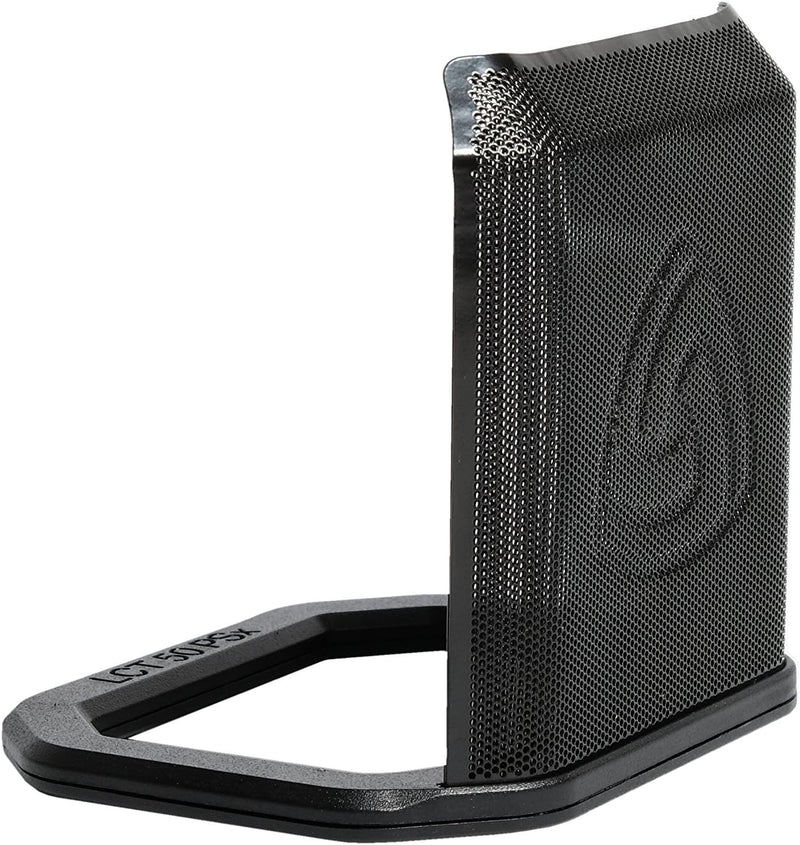
Lewitt AMS-LCT-50-PSX Magnetic Microphone Pop Filter
Lock out plosives at the source — the Lewitt LCT 50 PSx snaps magnetically onto your LCT 40 SH and keeps your vocal chain clean.
$29.00*
View on Amazon
✓ In Stock on Amazon.com
*Price sourced from Amazon.com. Last updated:Aug 29, 2026.Price and availability are subject to change — details.
Affiliate Disclosure: As an Amazon Associate, Studio Supplies earns from qualifying purchases made through links on this page, at no additional cost to you. This helps support our editorial team.
Notice a mistake? Let Us Know
Overview
Key Features
Efficient magnetic pop filter
Effectively reduce pops and hisses
Compatible with LCT 40 SHx, LCT 40 SHW, LCT 40 SH
Specifications
Type
Magnetic pop filter
Attachment Method
Magnetic
Compatible Shock Mounts
Lewitt LCT-40-SH, LCT-40-SHx
Compatible Microphones
LCT 40 SHx, LCT 40 SHW, LCT 40 SH
Function
Plosive and sibilance reduction
Brand
Lewitt
Model
AMS-LCT-50-PSX
Frequently Asked Questions
Does the magnetic attachment hold securely under the vibration of a loud vocal performance or loud monitoring bleed?
The magnetic mount is designed to stay fixed during normal vocal recording sessions — it won't rattle loose from room sound or monitor bleed at typical studio levels. That said, it is not a clamped or threaded mount; avoid situations where the filter might be bumped directly, such as performers who handle the mic aggressively.
How effectively does this filter reduce low-frequency plosives like 'B' and 'P' sounds?
The LCT 50 PSx is designed specifically to break up the high-velocity air bursts that create plosives before they reach the capsule. In practice, it substantially reduces 'B' and 'P' artifacts, though aggressive vocalists or those working very close to the mic may still need to complement it with off-axis mic placement.
Will this filter cause any high-frequency roll-off or affect the transparency of the LCT 40 SH's sound?
A well-designed pop filter introduces minimal coloration to the signal, and the LCT 50 PSx is built to that standard. You should hear plosive reduction without noticeable loss of air or high-frequency detail — the filter material is acoustically transparent in the frequencies that define vocal clarity.
Is this filter compatible with Lewitt microphones outside the LCT 40 SH series?
The LCT 50 PSx is specifically designed to mount magnetically to microphones using Lewitt's LCT-40-SH or LCT-40-SHx shock mounts. It is not a universal fit — the magnetic attachment geometry is proprietary to those mounts. Using it on other microphones would require a separate gooseneck or clip mount, which it is not designed for.
Does it reduce sibilance as well as plosives?
Yes — the filter addresses both plosive bursts and high-velocity sibilant air ('S' and 'SH' sounds). The reduction in sibilance is typically more modest than plosive suppression, but it contributes to a cleaner vocal chain that requires less corrective de-essing in post.
Related Products


