



Lewitt
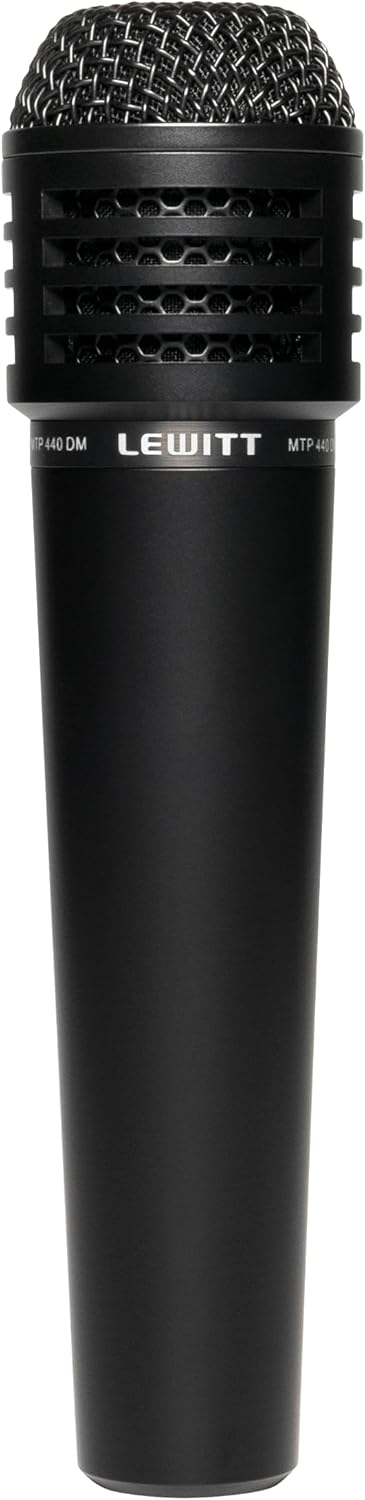
Lewitt MTP 440 DM Dynamic Instrument Microphone - Snare/Guitar
Capture Lively Instrument Sound with ClarityThe LEWITT MTP 440 DM is a dynamic instrument microphone designed for capturing the lively and punchy sound of snare drums and guitar amplifiers. Its robust construction and cardioid polar pattern make it an excellent choice for both stage and studio ap...
$129.00*
View on Amazon
✓ In Stock on Amazon.com
*Price sourced from Amazon.com. Last updated:Oct 21, 2026.Price and availability are subject to change — details.
Affiliate Disclosure: As an Amazon Associate, Studio Supplies earns from qualifying purchases made through links on this page, at no additional cost to you. This helps support our editorial team.
Notice a mistake? Let Us Know
Overview
Capture Lively Instrument Sound with Clarity
The LEWITT MTP 440 DM is a dynamic instrument microphone designed for capturing the lively and punchy sound of snare drums and guitar amplifiers. Its robust construction and cardioid polar pattern make it an excellent choice for both stage and studio applications.
- Polar Pattern: Unidirectional (Cardioid)
- Connectivity Technology: XLR
- Connector Type: XLR
- Material: Die-cast Zinc
- Dimensions: 6.25 x 1.53 x 1.53 inches
- Weight: 9.92 ounces
- Included: Microphone
Key Features
Lively and punchy sound
Works great for snare and amps
Durable materials for longevity
Cardioid polar pattern
Specifications
Microphone Type
Dynamic Instrument Microphone
Polar Pattern
Cardioid
Recommended Use
Snare, Guitar Amps
Brand
Lewitt
Model
MTP 440 DM
Frequently Asked Questions
What kind of sound quality can be expected from the Lewitt MTP 440 DM microphone?
The Lewitt MTP 440 DM dynamic instrument microphone is noted for producing a lively and punchy sound.
What are the recommended uses for this microphone?
This microphone works great for capturing sound from snare drums and guitar amplifiers, providing optimal performance for these instruments.
Is the Lewitt MTP 440 DM designed to be durable?
Yes, it is constructed using durable materials, contributing to its longevity and ability to withstand regular use.
What is the polar pattern of this microphone?
The Lewitt MTP 440 DM features a cardioid polar pattern, which helps in focusing on the sound source directly in front of the microphone.
What instruments is this microphone particularly effective for?
It is particularly effective for snare drums and guitar amps, offering a tailored sound capture for these specific applications.
Related Products


