

Mackie
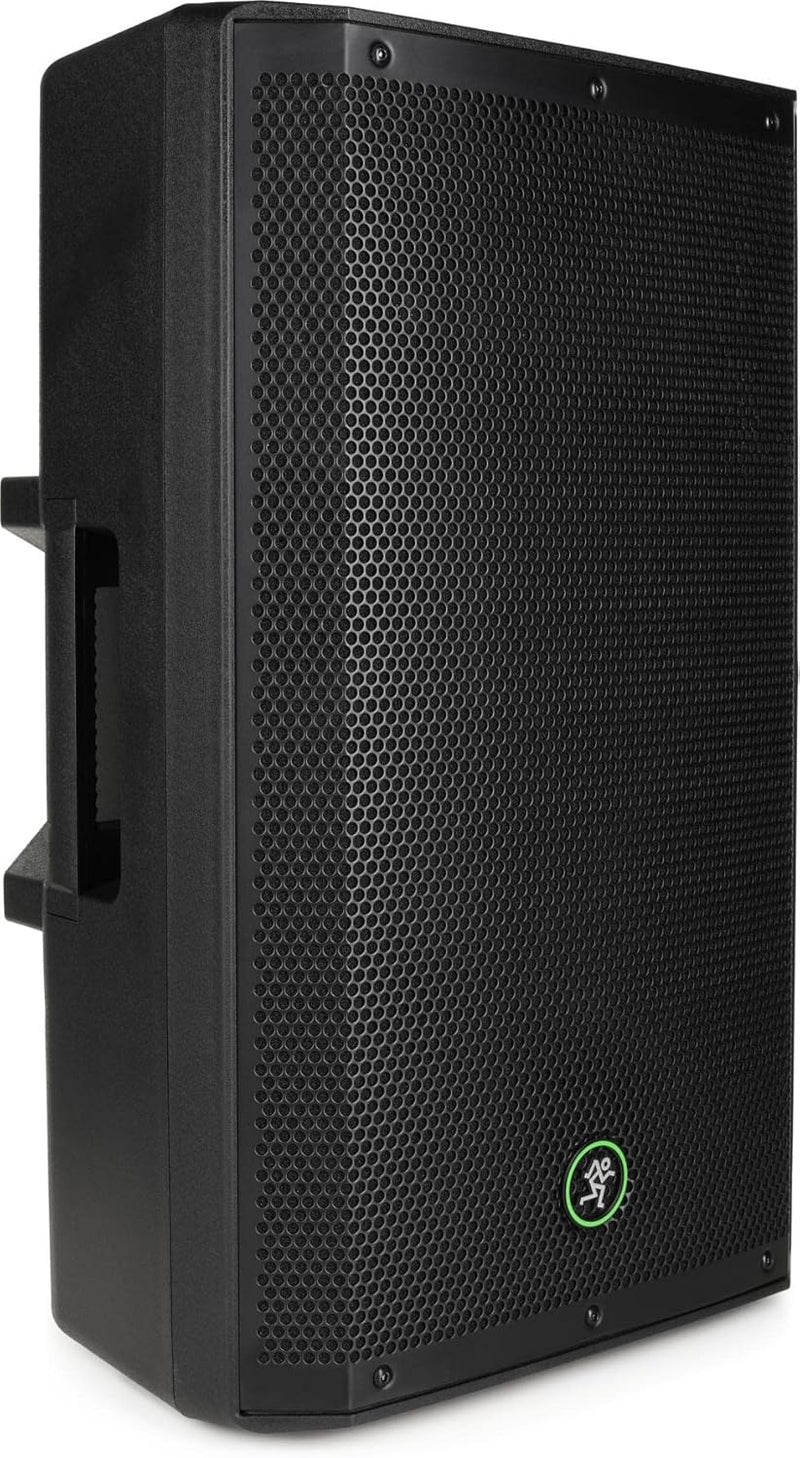
Mackie Thrash215 1300W 15-inch Powered Loudspeaker
1300W
Deliver 1300 watts of punchy, full-range sound from a rugged 15-inch powered loudspeaker built to survive every gig.
$299.99*$379.99Save 21%
View on Amazon
✓ In Stock on Amazon.com
*Price sourced from Amazon.com. Last updated:Aug 28, 2026.Price and availability are subject to change — details.
Affiliate Disclosure: As an Amazon Associate, Studio Supplies earns from qualifying purchases made through links on this page, at no additional cost to you. This helps support our editorial team.
Notice a mistake? Let Us Know
Overview
Key Features
Thermal Limiter
Mix output contains audio from both input channels
Built-Like-A-Tank to conquer every gig while lightweight for easy loading
Specifications
Brand
Mackie
Model
Thrash215
Power
1300 Watts
Woofer Size
15 inches
Inputs
2 channels
Output
Mix Out (combined audio from both inputs)
Protection
Thermal limiter, built-in limiters
Construction
Built-Like-A-Tank rugged design
Application
Live sound
Frequently Asked Questions
How much power does the Mackie Thrash215 produce?
The Thrash215 delivers 1300 watts of power through its built-in amplifier, driving a 15-inch woofer and a high-frequency driver for full-range sound reinforcement.
Can I daisy-chain multiple Thrash215 speakers together?
Yes, the Mix Output carries audio from both input channels, allowing you to chain additional powered speakers or connect a powered subwoofer to extend your system without a separate mixer.
Does the Thrash215 have any built-in speaker protection?
Yes, it includes a thermal limiter and built-in limiters that protect the amplifier and drivers from damage due to overheating or excessive signal levels during extended high-volume use.
How heavy is this speaker and is it easy to transport?
Despite its 1300W power rating and 15-inch woofer, Mackie designed the Thrash215 to be lightweight relative to its output, making load-in and load-out easier for solo performers and small bands.
What types of events is the Thrash215 suited for?
The Thrash215 is designed for live sound applications including band gigs, DJ sets, corporate events, houses of worship, and rehearsal spaces where reliable, high-output sound reinforcement is needed.
Related Products


