

Marshall
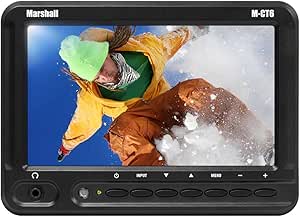
Marshall M-CT6-CE6 Camera Top Monitor Kit
A 6.2-inch camera-top LCD that turns a cramped DSLR viewfinder into a confident framing and focus reference for run-and-gun shoots
$295.62*
Check availability
*Price sourced from Amazon.com. Last updated:Aug 28, 2026.Price and availability are subject to change — details.
Affiliate Disclosure: As an Amazon Associate, Studio Supplies earns from qualifying purchases made through links on this page, at no additional cost to you. This helps support our editorial team.
Notice a mistake? Let Us Know
Overview
Key Features
6.2-inch LCD display attaches directly to DSLR or HD video cameras
A must-have tool for photographers and videographers
Focus clearly on shots and take the guesswork out of framing
Converts tiny built-in camera screen to easy-to-view display
Shoot hard-to-reach places without ladders, stools or hazardous climbing
Specifications
Brand
Marshall
Manufacturer
MarshallElectronics
Model
M-CT6-CE6
Display Size
6.2 inches
Display Type
LCD
Mounting
Camera-top, attaches to DSLR or HD video cameras
Color
Black
Intended Use
Photography and videography framing and focus reference
Frequently Asked Questions
What cameras does the M-CT6-CE6 attach to in a typical production rig?
It attaches directly to DSLR or HD video cameras as a camera-top monitor. Confirm hot shoe or cold shoe compatibility against your specific camera body before building it into a rig.
Is the 6.2-inch panel large enough to serve as a focus reference on set?
Marshall pitches the larger LCD specifically to help operators focus clearly and remove guesswork from framing, replacing the cramped built-in camera screen with a more usable viewing surface.
Does this monitor support SDI for integration into broadcast signal chains?
The provided product information does not specify SDI input. Productions that require SDI loop-through or conversion should verify input options on the spec sheet before committing this monitor to a multicam workflow.
How does it help with hard-to-reach camera angles on location?
The camera-top form factor lets operators see the frame while the camera is held overhead or near the floor, removing the need for ladders, stools, or hazardous climbing to check composition.
Is this a color-critical monitor for on-set grading or look management?
The source text positions it as a framing and focus tool for photographers and videographers rather than a color-critical reference, so color-graded review should still happen on a calibrated downstream display.
Related Products


