



Miller
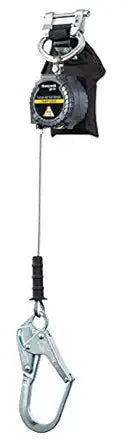
Miller MFLEC-4/6FT Personal Fall Limiter
Six feet of single-leg fall protection engineered for unrestricted movement on elevated work sites where every step counts.
$487.00*
View on Amazon
✓ In Stock on Amazon.com
*Price sourced from Amazon.com. Last updated:Aug 29, 2026.Price and availability are subject to change — details.
Affiliate Disclosure: As an Amazon Associate, Studio Supplies earns from qualifying purchases made through links on this page, at no additional cost to you. This helps support our editorial team.
Notice a mistake? Let Us Know
Overview
Key Features
Personal Fall Limiter,6 ft.,Single Leg
Specifications
Product Type
Personal Fall Limiter
Length
6 ft.
Configuration
Single Leg
Frequently Asked Questions
What is the maximum arrest force this fall limiter is rated for?
Personal fall limiters like the MFLEC-4/6FT are designed to limit maximum arrest force to 900 lbs or less per ANSI/ASSE Z359.14 standards. This reduces the shock load transmitted to the worker compared to a standard lanyard, which is the key safety advantage of the PFL design.
Can I use the MFLEC-4/6FT on a horizontal lifeline or only on anchor points above me?
This unit is rated for use on anchor points at or above the dorsal D-ring. It is not designed for use on horizontal lifelines — that application requires a leading-edge or horizontal-rated device with different internal mechanics.
How does the 6 ft. length affect my fall clearance requirements?
With a 6 ft. leg, you must calculate total fall clearance as: 6 ft. (limiter extension) + deceleration distance + worker height + safety margin. Ensure you have adequate clearance to the lower level before tying off — insufficient clearance is the most common installation mistake with this length.
Does the MFLEC-4/6FT require periodic recertification or inspection?
Yes. Per Miller and OSHA guidelines, all fall protection equipment must be visually inspected before each use and formally inspected annually by a competent person. The unit must be removed from service immediately after any fall arrest event, regardless of visible damage.
Is this fall limiter compatible with all full-body harness D-rings?
It connects to the dorsal (back) D-ring of a full-body harness via a snap hook. Confirm the snap hook gate rating is compatible with your harness D-ring size — standard 2¼" D-rings are typical, but verify before use on any harness.
Related Products


