

Miller
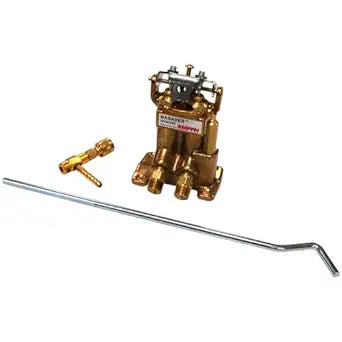
Miller WDW103 Gas Saver Torch Valve
Precision Gas Control for Welding ApplicationsThe Miller Torch Valve is designed for precise control of gas flow in welding applications. Compatible with hydrogen, natural gas, and propane, this valve ensures safe and efficient operation, meeting UL standards for quality and reliability.Specifica...
$420.00*
View on Amazon
✓ In Stock on Amazon.com
*Price sourced from Amazon.com. Last updated:Oct 23, 2026.Price and availability are subject to change — details.
Affiliate Disclosure: As an Amazon Associate, Studio Supplies earns from qualifying purchases made through links on this page, at no additional cost to you. This helps support our editorial team.
Notice a mistake? Let Us Know
Overview
Precision Gas Control for Welding Applications
The Miller Torch Valve is designed for precise control of gas flow in welding applications. Compatible with hydrogen, natural gas, and propane, this valve ensures safe and efficient operation, meeting UL standards for quality and reliability.
Specifications:
- Brand: Miller Electric
- Model: WDW103
- Type: Torch Valve
- Gas Service: Hydrogen, Natural Gas, Propane
- Series: Gas Saver
- Standards: UL
Key Features
Gas Welding Equipment and Accessories
Manufacturer: Miller Electric
Country of Manufacturer: United States
Specifications
Product Type
Gas Saver Torch Valve
Manufacturer
Miller Electric
Country of Manufacturer
United States
Category
Gas Welding Equipment and Accessories
Frequently Asked Questions
What is the primary function of the Miller WDW103?
The Miller WDW103 is a Gas Saver Torch Valve, designed to be used as an accessory within gas welding equipment setups.
Who is the manufacturer of this torch valve?
This torch valve is manufactured by Miller Electric, a company known for gas welding equipment and accessories.
Where is the Miller WDW103 manufactured?
The country of manufacture for this product is the United States.
Is this product a complete welding torch?
No, it is specified as a "Gas Saver Torch Valve," indicating it is a component or accessory for a welding torch, not a complete torch system.
What category of products does this item belong to?
This product falls under the category of Gas Welding Equipment and Accessories.
Does this valve work with all types of welding gases?
The product description does not specify compatibility with particular gas types, so further research may be needed for specific applications.
Are there any specific details about the valve's connection types or fittings?
The provided information does not include details on connection types or fittings for the Miller WDW103 Gas Saver Torch Valve.
Related Products


