

Nady
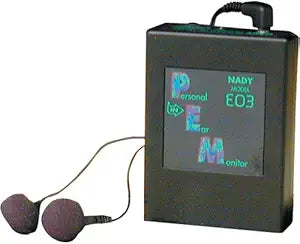
Nady EO3RXAA Additional In-Ear Receiver for EO3 System
Expand Your Nady EO3 System with an Additional ReceiverThe Nady EO3RXAA receiver lets you expand your existing Nady EO3 in-ear monitor system. Designed for seamless integration, this receiver allows additional performers to monitor the same audio feed. Note that this receiver requires the EO3 tra...
Check availability
Affiliate Disclosure: As an Amazon Associate, Studio Supplies earns from qualifying purchases made through links on this page, at no additional cost to you. This helps support our editorial team.
Notice a mistake? Let Us Know
Overview
Expand Your Nady EO3 System with an Additional Receiver
The Nady EO3RXAA receiver lets you expand your existing Nady EO3 in-ear monitor system. Designed for seamless integration, this receiver allows additional performers to monitor the same audio feed. Note that this receiver requires the EO3 transmitter (not included) to function.
Specifications:
- Brand: Nady
- Model: EO3RXAA
- Type: Personal In-Ear Receiver
- Compatibility: Nady EO3 Transmitter (not included)
- Headphones: EB-3 Headphones Included
- Frequency: AA (72.1 MHz)
Key Features
Provides more focused sound than floor monitors
Operates on the special 72-76 MHz band which will not interfere with VHF
Transmitter range is up to 300
Specifications
Type
Additional In-Ear Receiver
Compatible System
Nady EO3 System
Operating Frequency Band
72-76 MHz
Interference Avoidance
VHF
Transmitter Range
Up to 300 feet
Frequently Asked Questions
What is the primary benefit of using this Nady EO3RXAA receiver over traditional floor monitors?
The Nady EO3RXAA receiver provides more focused sound directly to the user, which can help performers hear themselves and their mix more clearly in a live setting.
Will this receiver interfere with other wireless microphones or instruments I might be using?
This receiver operates on a special 72-76 MHz band that is designed not to interfere with VHF frequencies, aiming to reduce conflicts with other wireless equipment.
How far can I move from the transmitter while still receiving a clear signal with this unit?
The Nady EO3RXAA additional in-ear receiver boasts a transmitter range of up to 300 feet, offering considerable mobility on stage or in the studio.
Is this a complete in-ear monitoring system on its own?
No, this is an additional in-ear receiver for the Nady EO3 System, meaning it requires the main EO3 transmitter to function as part of a complete system.
What is the significance of the 72-76 MHz operating band?
The 72-76 MHz operating band is a dedicated frequency range chosen to ensure that the receiver avoids interference with common VHF wireless equipment, providing a more reliable audio feed.
Related Products


