

Neewer
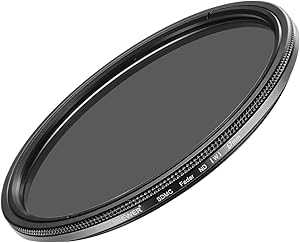
Neewer 10088591 67MM ND2-ND400 Adjustable Lens Filter
★★★★★
Control Light with Precision: Neewer 67MM ND2-ND400 Adjustable Lens Filter The Neewer 67MM Ultra Slim ND2-ND400 Fader Neutral Density Adjustable Lens Filter offers unparalleled control over light intensity for your photography. Crafted from high-quality optical glass, this filter allows you to r...
Check availability
Affiliate Disclosure: Studio Supplies may earn a commission from qualifying purchases made through links on this page, at no additional cost to you. This helps support our editorial team.
Notice a mistake? Let Us Know
Overview
Control Light with Precision: Neewer 67MM ND2-ND400 Adjustable Lens Filter
The Neewer 67MM Ultra Slim ND2-ND400 Fader Neutral Density Adjustable Lens Filter offers unparalleled control over light intensity for your photography. Crafted from high-quality optical glass, this filter allows you to reduce light without altering color, making it ideal for various shooting conditions. Its compact design provides the same capability as multiple ND filters in one.
Specifications:
- Type: Fader ND
- Color: Black
- Rotating: Yes
- Neutral Density Grade: ND2 - ND400
- Material: Optical Glass
- Filter Thread Size (attach to lens): 67mm
Key Features
Allows for variable light reduction from between 2-8stops; protect your lens from dust and scratches
Decrease the depth of field by using wider apertures, which helps separate subjects from their background
Allows the use of slow shutter speeds, with high speed films or digital cameras, to record movement/image blur in subjects such as waterfalls, clouds or any fast moving subject
To avoid vignetting at wide angle lens, this filter has a special front lens, the diameter of the front lens is larger than that of the rear lens
Large aperture is available to create depth of field easily
Specifications
Filter Type
Variable ND Filter
Filter Diameter
67MM
ND Range
ND2-ND400 (2-8 stops)
Lens Protection
Yes
Special Feature
Larger front lens diameter to avoid vignetting
Pros & Cons
👍 Pros
- Offers variable light reduction from ND2 to ND400, providing flexibility in diverse lighting conditions
- Helps protect your camera lens from dust, scratches, and minor impacts, extending its lifespan
- Enables the use of wider apertures to decrease depth of field, effectively isolating subjects from backgrounds
- Allows for slower shutter speeds in bright light, ideal for creating motion blur effects in water or clouds
- Features a special front lens design to avoid vignetting when used with wide-angle lenses
👎 Cons
- Using this variable ND filter can sometimes introduce a color cast, which may require post-processing correction
- The wide adjustment range might lead to a cross-polarization effect or uneven density at its maximum settings
- May reduce overall image sharpness slightly compared to a fixed ND filter due to its multi-element design
- Requires careful rotation and adjustment to achieve the desired exposure, adding a step to the shooting process
- The larger front lens diameter, while preventing vignetting, makes the filter itself a specific size that may not fit all lens caps
Frequently Asked Questions
What does "variable light reduction from between 2-8 stops" mean for my photography?
This means the filter can reduce the amount of light entering your lens by a factor of 2 (ND2) up to 400 (ND400), allowing you to control exposure in bright conditions without changing aperture or shutter speed.
How does this filter help protect my lens?
The filter acts as a physical barrier, shielding the front element of your camera lens from dust, dirt, fingerprints, and accidental scratches or impacts.
Can this filter be used to create blurry water effects?
Yes, by reducing the amount of light, this filter enables you to use slower shutter speeds, which is essential for capturing motion blur in subjects like waterfalls or clouds.
What is the purpose of the special front lens with a larger diameter?
The special front lens with a larger diameter is designed to minimize or eliminate vignetting, which is a darkening of the corners of the image, especially when using wide-angle lenses.
Will this filter affect the depth of field in my photos?
Yes, by allowing you to use wider apertures in brighter conditions, this filter helps decrease the depth of field, making it easier to achieve a shallow focus and separate your subject from the background.
Related Products


