



Neumann
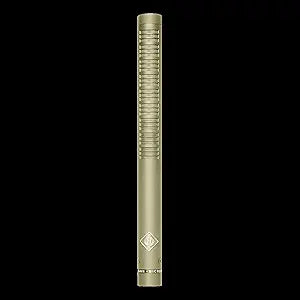
Neumann KMR81I Super-Cardioid Shotgun Microphone - Professional Audio
9 in
Neumann's compact 9-inch shotgun microphone delivers broadcast-grade directional pickup with renowned German engineering.
$180.00*$1,805.88Save 90%
Check availability
*Price sourced from Amazon.com. Last updated:Aug 27, 2026.Price and availability are subject to change — details.
Affiliate Disclosure: As an Amazon Associate, Studio Supplies earns from qualifying purchases made through links on this page, at no additional cost to you. This helps support our editorial team.
Notice a mistake? Let Us Know
Overview
Key Features
Short shotgun (9 in) with twist pack case and WS 8
Specifications
Brand
Neumann
Model
KMR81I
Type
Condenser Shotgun Microphone
Polar Pattern
Super-Cardioid
Length
9 inches
Finish
Nickel
Included Accessories
Twist pack case, WS 81 Windscreen
Frequently Asked Questions
What polar pattern does the KMR81I use?
The KMR81I uses a super-cardioid/lobar polar pattern that provides tight directional pickup from the front while strongly rejecting sound from the sides and rear — tighter than a standard cardioid but with a more natural tone than longer shotgun microphones.
How does the KMR81I compare to a full-length shotgun microphone?
At 9 inches, the KMR81I is classified as a short shotgun. It offers more focused directionality than a standard cardioid or hypercardioid microphone, while maintaining a more even frequency response off-axis than longer shotguns, which makes it better suited to indoor use where long shotguns can produce comb-filtering from wall reflections.
What accessories are included with the KMR81I?
It ships with a twist pack storage case and a WS 81 windscreen for outdoor use or environments with air movement.
Does the KMR81I require phantom power?
Yes, as a condenser microphone, the KMR81I requires 48V phantom power, which is supplied by most professional mixers, audio interfaces, and field recorders.
What types of productions is the KMR81I typically used for?
It is widely used in film and television dialogue recording, ENG (electronic news gathering), documentary production, and studio voiceover work where focused pickup and off-axis rejection are critical.
Related Products


