



Nikon
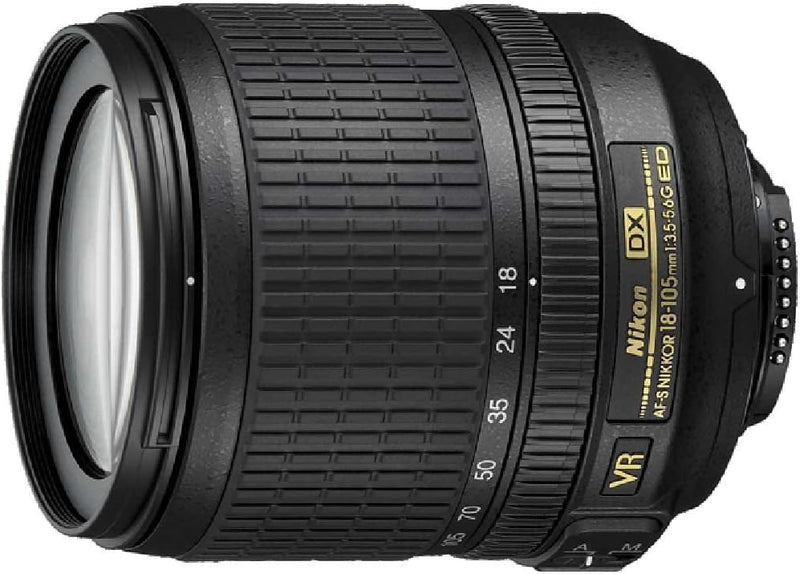
Nikon 2179 AF-S DX 18-105mm VR Zoom Lens
★★★★★
From street corners to distant subjects, the 18-105mm VR delivers sharp, stabilized travel shots on any DX-body without swapping glass.
$251.77*$264.99Save 4%
View on Amazon
✓ In Stock on Amazon.com
*Price sourced from Amazon.com. Last updated:Jul 15, 2026.Price and availability are subject to change.
Affiliate Disclosure: Studio Supplies may earn a commission from qualifying purchases made through links on this page, at no additional cost to you. This helps support our editorial team.
Notice a mistake? Let Us Know
Overview
Key Features
It includes LC-67 67mm snap-on front lens cap , LF-1 rear lens cap , HB-32 Bayonet lens hood, CL-1018 Flexible lens pouch and maximum reproduction ratio is 1/5
Vibration Reduction is engineered specifically for each VR NIKKOR lens and enables handheld shooting at up to 3 shutter speeds slower than normal.
Aspherical lens element virtually eliminates coma and other types of lens aberration, further improving image integrity.
Nikon Super Integrated Coating (SIC) enhances light transmission and offers superior color consistency and reduced flare.
Close focusing to 1.48 feet - Creative close-up photography is possible throughout the entire zoom range.
Specifications
Focal Length
18–105mm
Maximum Aperture
f/3.5–5.6
Format Compatibility
Nikon DX-format
Image Stabilization
Vibration Reduction (VR), up to 3 stops
Lens Mount
Nikon F
Minimum Focus Distance
1.48 ft (0.45m)
Maximum Reproduction Ratio
1:5
Filter Thread
67mm
Autofocus Type
Silent Wave Motor (SWM), AF-S
Coating
Nikon Super Integrated Coating (SIC)
Included Accessories
LC-67 front cap, LF-1 rear cap, HB-32 hood, CL-1018 pouch
Pros & Cons
👍 Pros
- Broad 18-105mm range covers wide environmental shots through compressed portrait framing in a single lens — ideal for travel or event days where switching glass isn't practical.
- VR stabilization genuinely extends handheld shooting into lower light, letting you keep ISO manageable in indoor or late-day situations.
- Aspherical element keeps corners cleaner than the kit 18-55mm, especially noticeable in architectural interiors and landscape wide-angle shots.
- Close focus throughout the zoom range adds creative flexibility — you can stay at 105mm for compressed close-ups without repositioning.
- Compact and light enough that it doesn't fatigue you during long walk-around days the way a heavier zoom would.
👎 Cons
- Variable aperture (f/3.5–5.6) means you lose a stop of light as you zoom in — at 105mm in mixed indoor light you'll be pushing ISO more than you'd like.
- Plastic barrel construction feels noticeably less premium than Nikon's pro-line glass and offers no weather sealing, so you'll want to be careful in rain or dusty conditions.
- At the telephoto end, sharpness drops off toward the corners — fine for subjects centered in the frame, but landscape shooters who pixel-peep edges will notice.
- Autofocus can hunt in low-contrast or low-light scenes, producing that characteristic back-and-forth seeking before locking.
Frequently Asked Questions
Which Nikon bodies is this lens compatible with?
It's built exclusively for Nikon DX-format bodies — think D3500, D5600, D7500, and similar crop-sensor DSLRs. It will physically mount on full-frame FX bodies but produces heavy vignetting; shoot DX only for reliable results.
How effective is the Vibration Reduction in practical use?
In practice you'll recover 2–3 stops of shutter speed — enough to shoot handheld at 105mm around 1/30s where you'd normally need 1/125s or faster. It's most noticeable during indoor available-light work or golden-hour shooting where you'd otherwise reach for a tripod.
Does the lens autofocus quietly enough for video?
The Silent Wave Motor (SWM) is reasonably quiet but the internal focusing mechanism does produce some low-frequency noise that an on-camera mic can pick up. For dedicated video work with a boom or external audio it's fine; for vlog-style shooting with a built-in mic, you may hear focus pulses.
What's the minimum focusing distance and how useful is the close-focus capability?
The lens focuses as close as 1.48 feet (0.45m) across the entire zoom range, giving a 1:5 reproduction ratio. It won't replace a dedicated macro lens, but it's handy for product close-ups, food details, and nature shots where you don't need true 1:1 magnification.
How does the included lens hood attach and is it worth using?
The HB-32 bayonet hood locks on with a quarter-turn — quick to attach and reverse-mount for storage. It's worth keeping on for most outdoor shooting; it visibly reduces flare and contrast loss when the sun is at an angle, and Nikon's SIC coating does the rest.
Related Products


