

Nikon
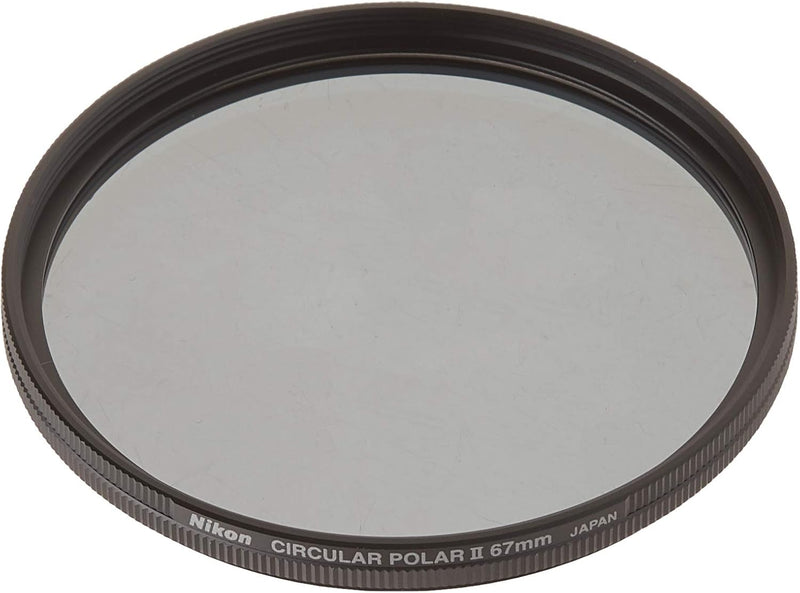
Nikon FTA13201 67mm Circular Polarizer II Camera Filter
Enhance Your Photography with Clarity and Precision The Nikon 67mm Circular Polarizer II Filter is designed to dramatically reduce reflections and glare, while enhancing color saturation in your photographs. Its thin and lightweight design minimizes vignetting on wide-angle lenses, and the multi...
$189.95*
Check availability
*Price sourced from Amazon.com. Last updated:Aug 29, 2026.Price and availability are subject to change — details.
Affiliate Disclosure: As an Amazon Associate, Studio Supplies earns from qualifying purchases made through links on this page, at no additional cost to you. This helps support our editorial team.
Notice a mistake? Let Us Know
Overview
Enhance Your Photography with Clarity and Precision
The Nikon 67mm Circular Polarizer II Filter is designed to dramatically reduce reflections and glare, while enhancing color saturation in your photographs. Its thin and lightweight design minimizes vignetting on wide-angle lenses, and the multi-layer coatings reduce ghost images and flare. This filter is an essential tool for both color and monochrome photography.
Key Features:
- Compatibility: Compatible with lenses with a 67mm filter thread
- Polarizing Effect: Reduces reflections from water and glass, darkens blue skies
- Coating: Multi-layer coatings to minimize ghost images and flare
- Design: Thinner and lighter than conventional models
Key Features
Nikon polarising 67mm filter
Dramatically reduces reflections from water and glass as well as rendering blue skies darker
Minimises glare from reflective surfaces
Enables shooting through glass windows
Compatible with both colour and monochrome photography
Specifications
Filter Type
Circular Polarizer II
Filter Diameter
67mm
Primary Function
Reduces reflections, darkens blue skies, minimizes glare, enables shooting through glass
Photography Compatibility
Color and monochrome
Frequently Asked Questions
What is the main benefit of using the Nikon 67mm Circular Polarizer II filter?
The primary benefit of using this filter is its ability to dramatically reduce reflections from non-metallic surfaces like water and glass, while also rendering blue skies darker.
What size lens is this filter compatible with?
This Nikon filter is designed to fit lenses with a 67mm thread diameter, so you should check your lens specifications for compatibility.
Can this filter help with glare?
Yes, the Nikon Circular Polarizer II is effective at minimizing glare from reflective surfaces, improving image clarity in bright conditions.
Is this filter suitable for both color and black and white photography?
The Nikon 67mm Circular Polarizer II filter is compatible with both color and monochrome photography, offering versatile application.
How does this filter affect shooting through windows?
This filter enables shooting through glass windows by reducing reflections, which can significantly improve visibility and image quality.
Related Products


