

NiSi
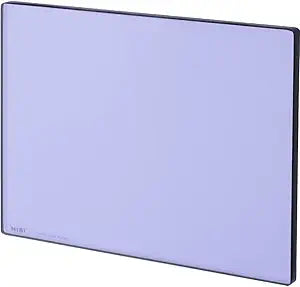
NiSi NIC-4565-NGT 4" x 5.65" Natural Night Cinema Filter
Shoot cityscapes and Milky Way scenes without the muddy orange glow of sodium vapor — the NiSi Natural Night Cinema Filter cuts light pollution while preserving true sky color.
View price on Amazon
Affiliate Disclosure: As an Amazon Associate, Studio Supplies earns from qualifying purchases made through links on this page, at no additional cost to you. This helps support our editorial team.
Notice a mistake? Let Us Know
Overview
Key Features
Natural night filter for 4 x 5.65" matte box filter trays
Cinema filter standard 4mm thickness
Yellow light blocker; eliminates traces of light pollution and yellow Haze
Waterproof and oil-resistant Nano coating
Ultra-low reflection
Specifications
Filter Type
Natural Night (Light Pollution Reduction)
Size
4" x 5.65"
Thickness
4mm (cinema standard)
Coating
Nano coating, both surfaces (waterproof, oil-resistant, scratch-resistant)
Light Reduction
Approximately 1 stop
Reflection
Ultra-low (near zero color cast)
Compatibility
Matte box filter trays, 4x5.65" format
Target Application
Night cinematography, astrophotography, urban nightscapes
Frequently Asked Questions
What specific light sources does this filter block, and which does it pass?
The NiSi Natural Night filter targets the narrow emission bands produced by sodium vapor and mercury vapor streetlights — the yellow-orange wavelengths responsible for most urban sky glow. It passes the broader visible spectrum used by LED and natural sources with minimal interference, which means stars, the Milky Way core, and naturally lit foreground subjects retain accurate color rendition.
How does the 4" x 5.65" format fit into a working cinema rig?
This is the standard cinema matte box format — 4x5.65-inch filter trays are used on professional matte boxes from Arri, Bright Tangerine, Tilta, and others. The 4mm thickness matches cinema filter standards, so it drops into the tray without shims or adapters. It is not compatible with standard photographic screw-thread filter mounts.
What is the approximately 1-stop light reduction, and how does that affect exposure?
The filter absorbs roughly half the incoming light, requiring one additional stop of exposure — open the aperture one stop, double the ISO, or double the shutter duration to maintain equivalent exposure. For long-exposure nightscape work this is typically absorbed into the already-extended shutter times with negligible practical impact.
Does the Nano coating on this filter affect image contrast or introduce reflections?
The Nano coating is an anti-reflection treatment applied to both surfaces. It minimizes internal reflections that would otherwise appear as ghosting or flare when bright point sources — streetlights, the moon — are in frame. The coating also makes the glass oil-resistant and waterproof, which matters when shooting outdoors in humid or cold conditions where condensation is a factor.
Can this filter be used for daytime landscape work, or is it exclusively a night filter?
It is designed for night and low-light use. During daylight it would produce a noticeable color shift — it transmits some wavelengths more than others to achieve its light-pollution blocking effect. Use it for nightscapes, astrophotography, and urban night cinematography where artificial light sources would otherwise degrade color accuracy.
Related Products


