

Panasonic
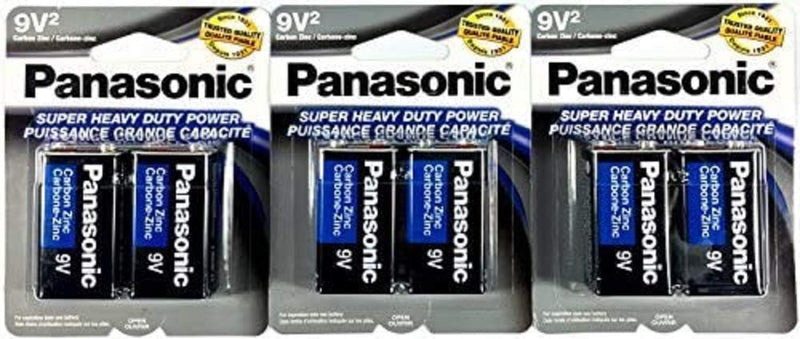
Panasonic 9615020-1 9V Super Heavy Duty Batteries 6-Pack
★★★★★
Six 9V zinc carbon batteries at a price that makes stocking up the junk drawer a no-brainer for low-drain household devices.
View price on Amazon
Affiliate Disclosure: Studio Supplies may earn a commission from qualifying purchases made through links on this page, at no additional cost to you. This helps support our editorial team.
Notice a mistake? Let Us Know
Overview
Specifications
Brand
Panasonic
Model
9615020-1
Battery Size
9V
Chemistry
Zinc Carbon
Quantity
6 Batteries
Rechargeable
No
Pros & Cons
👍 Pros
- 6-pack format reduces per-battery cost compared to single-unit alkaline purchases for low-drain applications.
- 9V form factor is a universal fit for the wide range of household devices standardized on this cell size.
- Zinc carbon chemistry performs reliably in low-drain, intermittent-use devices like clocks and remotes where alkaline's extra capacity goes unused.
- Panasonic brand brings consistent quality control — cells arrive charged and at spec, not the discharged no-name batteries common in cheap multipacks.
- Compact packaging makes it easy to store a backup supply without taking up drawer space.
👎 Cons
- Zinc carbon chemistry delivers lower total energy than alkaline, meaning shorter runtimes in any device that draws moderate current.
- Shelf life of approximately 2–3 years is shorter than alkaline alternatives, making large bulk purchases less practical.
- Not suitable for high-drain devices — digital multimeters, wireless microphones, or effects pedals will exhaust these faster than expected.
- Voltage drops off less flatly than alkaline under load, which can cause some devices to report "low battery" before the cell is fully depleted.
Frequently Asked Questions
What devices are these batteries actually suited for?
These are zinc carbon chemistry, which means they are best matched to low-drain devices — think battery-powered wall clocks, TV remotes, smoke detectors, radios, and handheld toys. They are not designed for high-current devices like digital cameras or portable game controllers, where alkaline or lithium chemistry will last significantly longer.
How do these compare to alkaline 9V batteries?
Zinc carbon batteries have a lower energy density than alkaline, which means shorter runtime in any given device. The trade-off is cost — zinc carbon packs like this 6-pack come in at a lower per-battery price, making them a reasonable choice when battery life per dollar matters more than maximum runtime per battery.
Do these batteries have a shelf life I should know about?
Zinc carbon batteries have a shorter shelf life than alkaline — typically 2–3 years from manufacture versus 5–10 years for alkaline. Check the expiration date on the package and rotate stock if you are buying in bulk.
Can I use these in a smoke detector?
You can, but most smoke detector manufacturers recommend alkaline batteries for longer backup life and more consistent voltage output as the battery drains. For a smoke detector where reliability is safety-critical, alkaline is a better choice.
Are these batteries rechargeable?
No. These are single-use zinc carbon cells. Do not attempt to recharge them — zinc carbon chemistry does not support recharging and attempting to do so is a safety hazard.
Related Products


