



Price history
Panasonic
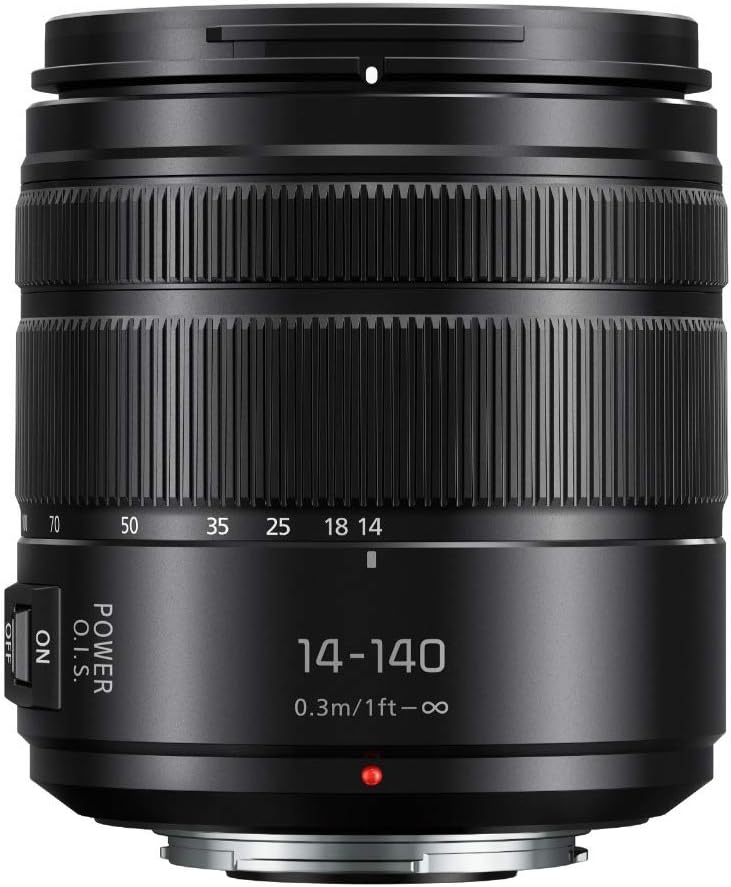
Panasonic H-FSA14140 Lumix 14-140mm Telephoto Lens
★★★★★
One lens from wide-angle landscapes to telephoto reach — a weather-sealed 10x zoom built for Micro Four Thirds shooters who travel light.
$599.99*$649.99Save 7%
View on Amazon
✓ In Stock on Amazon.com
*Price sourced from Amazon.com. Last updated:Aug 04, 2026.Price and availability are subject to change.
Affiliate Disclosure: Studio Supplies may earn a commission from qualifying purchases made through links on this page, at no additional cost to you. This helps support our editorial team.
Notice a mistake? Let Us Know
Overview
Key Features
Upgraded 14-140mm Lens – the LUMIX g Vario h-fsa14140 is an upgraded version of the LUMIX h-fs14140ak 14-140mm F3.5-5.6 (10x) telephoto zoom lens
Micro four-thirds mount – durable metal MFT mount is compatible with Micro Four Thirds mount cameras, including Lumix g Mirrorless Digital Cameras
Rugged lens design - durable splash*/dust-resistant construction ideal for heavy field use, while maintaining its stylishly compact and lightweight profile
Power O.I.S. - Optical image Stabilizer quickly and effectively compensates for small, fast movements even in low-lit situations
Quality optics - comprised of 14 elements in 12 groups, This lens features three aspherical lenses and two ED (extra-low dispersion) lenses, while efficiently minimizing distortion and chromatic aberration
Specifications
Brand
Panasonic
Model
H-FSA14140
Focal Length
14-140mm (28-280mm equivalent)
Maximum Aperture
f/3.5-5.6
Mount
Micro Four Thirds (metal)
Image Stabilization
POWER O.I.S.
Optical Construction
14 elements in 12 groups (3 aspherical, 2 ED)
Weather Sealing
Splash and dust resistant
Lens Type
Telephoto Zoom (10x)
Frequently Asked Questions
What is the 35mm equivalent focal range of this lens?
On a Micro Four Thirds body, the 14-140mm focal length translates to a 28-280mm equivalent. That takes you from wide-angle coverage suitable for interiors and landscapes all the way to serious telephoto reach for wildlife, sports, and candid shots from a distance.
How effective is the POWER O.I.S. stabilization?
The POWER O.I.S. system is designed to compensate for fast, small hand movements — the kind you get when shooting handheld at longer focal lengths or in dim environments. It is particularly effective for video, where even subtle shake is visible. For stills, it lets you shoot at slower shutter speeds than the focal length would normally allow without a tripod.
Is this lens weather-sealed enough for field shooting in rain or dust?
Yes. The lens features splash and dust-resistant construction, so it can handle light rain, mist, and dusty conditions. Pair it with a weather-sealed Lumix body for full system protection. It is not rated for submersion or heavy downpour.
Does this lens work well for video, or is the autofocus motor audible?
The internal focusing mechanism operates smoothly and quietly, which Panasonic specifically designed for video use. You will not pick up motor noise in on-camera audio, and focus pulls are smooth enough for run-and-gun shooting.
What is the build quality of the mount?
This version uses a durable metal Micro Four Thirds mount, which is an upgrade over earlier plastic-mount iterations. It provides a more secure, wear-resistant connection to the camera body — especially important on an all-in-one lens that stays mounted for extended periods.
Related Products


