

Peavey
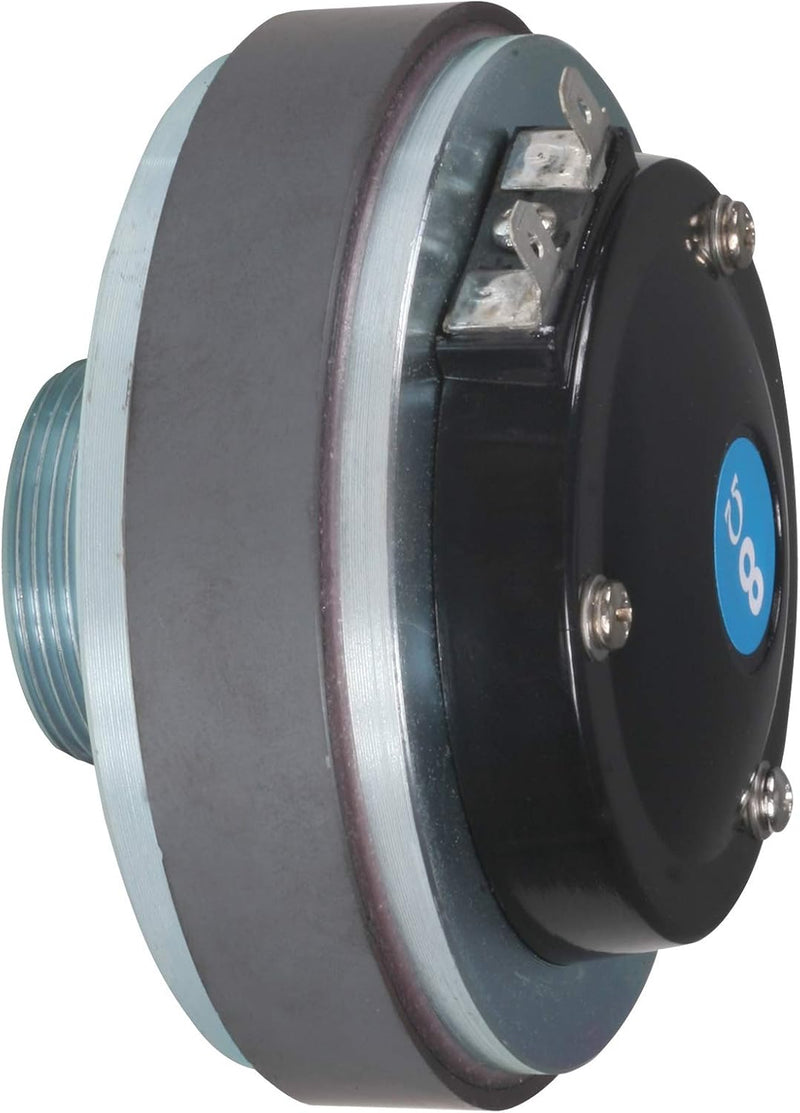
Peavey 03601330 14T Compression Driver 1.4-inch
Enhance Your Audio System with Premium Sound QualityThe Peavey 14T Driver is a high-performance compression driver designed to deliver exceptional sound quality in professional audio systems. With a titanium diaphragm and optimized frequency response, this driver ensures clear and accurate sound ...
$37.99*$49.99Save 24%
View on Amazon
✓ In Stock on Amazon.com
*Price sourced from Amazon.com. Last updated:Oct 23, 2026.Price and availability are subject to change — details.
Affiliate Disclosure: As an Amazon Associate, Studio Supplies earns from qualifying purchases made through links on this page, at no additional cost to you. This helps support our editorial team.
Notice a mistake? Let Us Know
Overview
Enhance Your Audio System with Premium Sound Quality
The Peavey 14T Driver is a high-performance compression driver designed to deliver exceptional sound quality in professional audio systems. With a titanium diaphragm and optimized frequency response, this driver ensures clear and accurate sound reproduction. Ideal for use in monitor, speaker, and subwoofer applications, the Peavey 14T Driver is a reliable choice for enhancing your audio setup.
Specifications:
- Throat Size: 1.4 inches
- Sensitivity: 105 dB / 1 Watt at 1 meter
- Frequency Response: 1.5 kHz to 20 kHz
- Recommended Crossover: 2,000 Hz at 12 dB / Octave
- Diaphragm Material: Titanium
Key Features
1.4
Sensitivity: 105 dB / 1 Watt at 1 meter On-axis on 90º H x 45º V horn
Nominal Efficiency: 30%
Frequency Response: 1.5 kHz to 20 kHz
Recommended Crossover: 2,000 Hz at 12 dB / Octave
Specifications
Model
03601330 14T
Type
Compression Driver
Throat Size
1.4 inches
Sensitivity
105 dB / 1 Watt at 1 meter
Nominal Efficiency
30%
Frequency Response
1.5 kHz to 20 kHz
Recommended Crossover
2,000 Hz at 12 dB / Octave
Frequently Asked Questions
What is the sensitivity of the Peavey 14T Compression Driver?
The Peavey 14T Compression Driver has a sensitivity of 105 dB / 1 Watt at 1 meter, indicating its efficiency in converting power into sound.
What is the recommended crossover frequency for this driver?
The recommended crossover for the Peavey 14T Compression Driver is 2,000 Hz at 12 dB / Octave to ensure optimal performance and protection.
What is the throat size of this compression driver?
This Peavey compression driver features a 1.4-inch throat, designed for compatibility with specific horn sizes.
What is the frequency response range of the Peavey 14T?
The Peavey 14T Compression Driver offers a frequency response from 1.5 kHz to 20 kHz, covering a broad spectrum of high frequencies.
What does the nominal efficiency of 30% signify for this product?
A nominal efficiency of 30% indicates how effectively the driver converts electrical power into acoustic power.
Related Products


