

Peavey
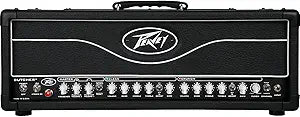
Peavey BUTCHERHEAD A-B Box Amplifier
100W
Sculpt Your Tone with Peavey Butcher Head AmplifierThe Peavey Butcher is a powerful two-channel amplifier designed to deliver a wide range of tones, from clean and articulate to high-gain and aggressive. With its versatile EQ and gain controls, it's perfect for guitarists seeking maximum sonic fl...
$126.00*$1,265.00Save 90%
Check availability
*Price sourced from Amazon.com. Last updated:Jun 04, 2026.Price and availability are subject to change.
Affiliate Disclosure: Studio Supplies may earn a commission from qualifying purchases made through links on this page, at no additional cost to you. This helps support our editorial team.
Notice a mistake? Let Us Know
Overview
Sculpt Your Tone with Peavey Butcher Head Amplifier
The Peavey Butcher is a powerful two-channel amplifier designed to deliver a wide range of tones, from clean and articulate to high-gain and aggressive. With its versatile EQ and gain controls, it's perfect for guitarists seeking maximum sonic flexibility.
- Brand: Peavey
- Model: BUTCHERHEAD
- Channels: Clean and Crunch
- Preamp Tubes: 5 x 12AX7
- Power Amp Tubes: 4 x EL34
- EQ: Separate Three-Band EQ on Each Channel
Key Features
4xEL34 100W power section & 5x12AX7 preamp tubes
Clean and Crunch Channels
Separate three band EQ on each channel
Item Package Weight: 21.0 pounds
Specifications
Brand
Peavey
Model
BUTCHERHEAD A-B Box Amplifier
Power Section Tubes
4xEL34
Power Output
100W
Preamp Tubes
5x12AX7
Channels
Clean and Crunch
EQ Controls
Separate three band EQ on each channel
Item Package Weight
21.0 pounds
Pros & Cons
👍 Pros
- Features a powerful 4xEL34 100W power section, delivering substantial volume and classic tube tone.
- Equipped with 5x12AX7 preamp tubes, offering rich harmonic content and a wide range of tonal possibilities.
- Includes dedicated Clean and Crunch channels, providing versatility for various musical styles and gain levels.
- Offers separate three-band EQ controls for each channel, allowing for precise tone shaping tailored to your sound.
- The 21.0 pounds package weight suggests a relatively portable amplifier head for its power class.
👎 Cons
- As a tube amplifier, it requires periodic tube replacement, which can be an ongoing maintenance cost.
- The 100W output may be excessive for bedroom practice or small venues, potentially making it hard to achieve ideal tone at lower volumes.
- Lacks specific modern features like digital effects, USB connectivity, or direct recording outputs, focusing purely on analog tube sound.
- The dual-channel setup might be less flexible than multi-channel amplifiers with more nuanced gain stages.
- No information provided on footswitch functionality or inclusion, which is often crucial for live performance channel switching.
Frequently Asked Questions
What kind of tubes does the Peavey BUTCHERHEAD amplifier use?
The Peavey BUTCHERHEAD amplifier features 4xEL34 tubes in its 100W power section and 5x12AX7 tubes in its preamp section.
Does this amplifier have separate tone controls for each channel?
Yes, it offers separate three-band EQ controls for both the Clean and Crunch channels, allowing for independent tone shaping.
What are the two channels available on this amplifier?
The amplifier provides two distinct channels: a Clean channel for pristine tones and a Crunch channel for overdriven sounds.
Is this amplifier suitable for loud performances?
With a 100W power output from its EL34 power section, the Peavey BUTCHERHEAD is well-suited for loud live performances and band settings.
What is the approximate weight of the amplifier package?
The item package weight for the Peavey BUTCHERHEAD A-B Box Amplifier is 21.0 pounds.
Does this amplifier include any built-in effects?
The provided features do not indicate any built-in digital effects; this amplifier focuses on its tube-driven tonal characteristics.
Can this amplifier be used for practice at home?
While it has a powerful 100W output, it can be used for home practice, though users may find the volume capabilities to be more than necessary for smaller spaces.
Related Products


